We are constantly trying to improve ourselves in new thoughts, new technology and new working methods.

Views: 0 Author: Site Editor Publish Time: 2026-08-09 Origin: Site


Magnet fishing popularity has skyrocketed over the past few years. Hobbyists are pulling fascinating historical relics from local waterways every single weekend. Because of this massive recreational boom, we must urgently shift our perspective. We can no longer view these powerful items as simple outdoor toys; they demand strict respect as industrial-grade tools. A heavy-duty Strong Neodymium Fishing Magnet can easily generate hundreds or even thousands of pounds of pull force. This incredible power presents genuine physical and environmental risks if you mishandle the equipment. Unprepared users often face severe crush injuries, property damage, or lost gear. This comprehensive article provides a transparent, evidence-based safety framework for evaluating, handling, and storing your equipment. We will explore proper casting techniques and detail secure maintenance procedures. By the end, you will know exactly how to minimize personal risk while maximizing your retrieval success on the water.
Pinch Hazards are Severe: High pull-force magnets can crush extremities; cut-resistant gloves and strict handling protocols are non-negotiable.
Medical & Electronic Interference: Neodymium magnetic fields interfere with pacemakers and can permanently damage smartphones and electronics.
Proper Gear Completes the Kit: Safe operation requires more than just the magnet—heavy-duty rope, threadlocker, and specialized transport cases are required for safe deployment.
Environmental Awareness: Magnet fishers must be prepared for dangerous snags, including sharp debris, heavy submerged hazards, and occasionally unexploded ordnance (UXO).
Manufacturers determine pull force under highly controlled laboratory conditions. They attach the device to a thick, completely flat steel plate. The steel is unpainted, clean, and completely dry. Real-world field conditions rarely mirror these pristine laboratory environments. Submerged objects are usually curved, heavily rusted, or covered in thick mud. A tool rated for 1,000 pounds might only exert 250 pounds of force on a rusted scooter. However, this reduced force remains incredibly dangerous. It is still strong enough to crush human fingers instantly. Pinch force refers to the mechanical trap created between the heavy base and the metal object. It acts like an industrial vice.
Next, you must consider the "jump" distance. Neodymium fields reach outward much further than you might anticipate. A powerful base can suddenly snap to a nearby metal object from several inches away. It accelerates rapidly across this gap. If your hand sits in that invisible path, it will trap your fingers before you can react. You must constantly monitor the open space around your active gear. We strongly recommend keeping the device in its protective casing until you are absolutely ready to cast.
Finally, you need to understand the severe shatter risks. Neodymium is incredibly brittle despite its immense lifting strength. It behaves much more like ceramic than solid iron or steel. When two powerful magnets collide at high speeds, they frequently chip. Striking a heavy metal beam underwater can also shatter the exterior coating. These sudden impacts send sharp, dangerous shrapnel flying outward. You must always control the descent and approach of your equipment to prevent impact damage.
Testing Factor | Ideal Laboratory Conditions | Real-World Field Conditions |
|---|---|---|
Surface Contact | 100% flush on flat steel | Partial contact on curved or jagged items |
Surface Condition | Clean, unpainted, dry metal | Rusty, muddy, or algae-covered surfaces |
Pull Angle | Perfectly perpendicular (90 degrees) | Awkward dragging angles across uneven riverbeds |
Hand protection serves as your absolute first line of defense. You need high-quality, cut-resistant, waterproof gloves. Look closely for options carrying a recognized ANSI safety rating. Standard canvas or gardening gloves simply will not protect you against intense pinch forces. They also fail to stop rusty metal edges from slicing your exposed skin. Always choose gloves offering thick rubberized palms and Kevlar linings. Your hands are your most valuable tools, so protect them properly before touching any metal debris.
Rope and hardware evaluation is equally critical for safe operation. You must select a high-tensile, non-stretch paracord or specialized nylon rope. Snapping ropes under extreme high tension act like violent whips. They can whip back instantly and cause severe lacerations. Look for marine-grade ropes rated for at least double the pull force of your device. If your device pulls 1,000 pounds, your rope should hold 2,000 pounds.
For secure connections, you should strictly use locking, non-magnetic carabiners. Marine-grade stainless steel or brass carabiners perform best in wet conditions. You must secure these heavy-duty carabiners using a highly reliable knot. We strongly recommend tying the Palomar knot. It prevents unexpected disconnections while bouncing along rough riverbeds. A loose knot guarantees you will lose your expensive equipment.
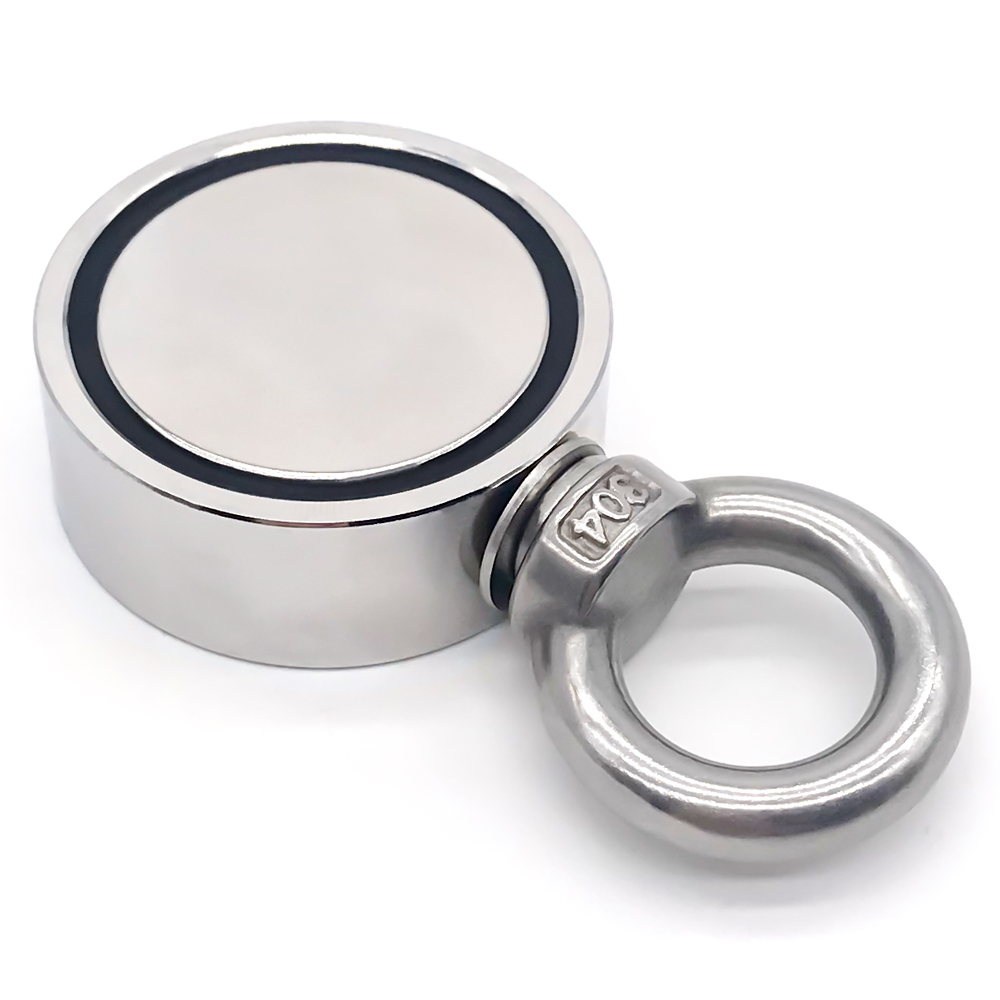
Applying threadlocker is a mandatory pre-fishing safety step. You must apply a medium-to-high strength liquid threadlocker directly to the eyebolt threads. This chemical adhesive prevents the bolt from unscrewing during repeated casts. Skipping this crucial step frequently results in mid-throw detachment.
Hand Gear: ANSI-rated, cut-resistant, waterproof gloves.
Rope Material: Double-braided, high-tensile, low-stretch nylon.
Connectors: Locking stainless steel carabiners.
Chemical Lock: Medium or high-strength anaerobic threadlocker.
Before you make your first cast, you must conduct a thorough pre-cast site assessment. You need to carefully evaluate the location for personal safety. Avoid setting up near high-traffic commercial boat lanes. Check overhead to ensure you avoid low bridges or hanging power lines. Always assess your footing on muddy or slippery riverbanks. A sudden slip while throwing heavy metal can plunge you into dangerous water currents.
You should immediately establish a strict "Clear Zone" rule. Create a physical perimeter before unboxing your main equipment. Keep metal hand tools, car keys, and other metallic gear far away. We advise maintaining a secure clear zone of at least 3 to 5 feet. This prevents stray metal objects from suddenly jumping toward the exposed base.
Safe casting mechanics keep you grounded and secure. We highly advise using the smooth underhand toss method. It offers superior aiming control and completely eliminates wild, dangerous overhead swings. Never wrap the retrieval rope around your wrist or hand during the cast. If your rig suddenly snags a fast-moving heavy object, like a passing boat, it will violently drag you into the water.
Adopt a proper retrieval stance to protect your lower back. When you pull heavy loads, you must maintain a very low center of gravity. Plant your feet firmly shoulder-width apart on dry ground. Avoid any sudden jerks or wild yanks. Aggressive, frustrated pulls can snap the rope under tension. They can also cause the rig to dislodge suddenly and fly straight backward toward your face. Pull with slow, steady, and consistent tension.
The immense magnetic fields pose profound hidden medical dangers. We must stringently follow industry-standard warnings regarding pacemakers and surgical implants. A powerful magnetic field easily disrupts the vital operation of implantable cardioverter-defibrillators (ICDs). Users with these life-saving medical devices must maintain a significant safe distance. We strongly advise consulting your primary physician before engaging in this hobby.
Electronic device protection requires constant situational vigilance. You must keep smartphones, smartwatches, and vehicle key fobs far away from the immediate area. A robust magnetic field can permanently destroy sensitive internal electronics. It can easily wipe credit card data or corrupt hard drives. Leave these vulnerable items securely locked in your vehicle. Alternatively, keep them safely outside your designated "Clear Zone."
We must also seriously address age and supervision constraints. Families frequently view this hobby as an exciting, family-friendly weekend adventure. However, you must enforce highly realistic safety boundaries for younger participants. We recommend enforcing strict adult supervision for anyone under eighteen years old. Beginners and younger users should always start their journey using lower pull-force models. Using Fishing Magnets under 300 pounds significantly reduces the likelihood of serious pinch injuries. It allows novices to safely learn essential rope management skills before moving up to heavy-duty gear.
Removing items safely is a crucial operational skill. You should always slide heavy objects off the flat surface rather than pulling them straight back. Pulling directly backwards fights against the strongest point of the active field. Use non-magnetic plastic scrapers or wooden wedges for flat, highly attractive items like steel plates. Inserting a wedge creates leverage and breaks the bond safely. Keep your fingers completely clear of the closing gap.
Handling hazardous finds requires extreme patience and caution. You will frequently retrieve highly dangerous items like hunting knives, rusty fishing hooks, or medical syringes. Wear your cut-resistant safety gloves at all times during detachment. Use heavy-duty pliers to grip and detach sharp objects. Occasionally, fishers pull up suspected unexploded ordnance (UXO) like old grenades or artillery shells. Implement an absolute "do not touch" rule for these scenarios. You must carefully tie off the rope, evacuate the immediate area, and call local law enforcement authorities immediately.
Cleaning and rust prevention greatly extends your equipment's functional lifespan. Untreated rust actively degrades the internal structural integrity over time. It flakes the protective coating and reduces lifting capacity. Implement a strict post-trip cleaning process to protect your investment.
Freshwater Rinse: Wash off all corrosive salt, mud, and river debris thoroughly.
Towel Drying: Wipe the entire surface until completely dry to prevent oxidation.
Oil Application: Apply a light, even coat of WD-40 or mineral oil across the metal casing.
Inspect Threads: Check the eyebolt for any looseness or thread damage.
Proper transport and storage solutions neutralize unseen dangers at home. Do not toss a bare, unprotected device loosely into your car trunk. We recommend securely using the original thick foam-lined boxes provided by the manufacturer. Custom wooden crates also work exceptionally well for containing the field. These specialized containers safely neutralize the invisible field during transport. They actively prevent accidental attachment to vehicle frames or other sensitive tools inside your garage.
In summary, while these specialized devices are undeniably powerful, structured handling protocols neutralize the vast majority of physical risks. Treating your heavy-duty equipment with appropriate respect ensures a secure and highly rewarding outdoor hobby. By combining the right supplementary protective gear with constant situational awareness, you actively protect yourself and the surrounding aquatic environment.
Take these actionable steps before your next trip:
Audit your current gear setup carefully for rope fraying or hardware wear.
Upgrade your hand protection to certified, heavy-duty cut-resistant gloves.
Purchase dedicated, well-packaged starter kits from highly reputable vendors to ensure maximum operational safety.
Review basic site safety guidelines with your family or friends before executing your first cast.
A: Yes, it remains safe if you strictly enforce realistic age limits and boundaries. We strongly recommend mandatory adult supervision at all times. Kids and teenagers should strictly use low-pull-force starter setups, ideally rated under 300 pounds. This minimizes dangerous pinch hazards while effectively teaching fundamental casting and retrieval techniques.
A: Apply the "wedge and leverage" solution immediately. Use a plastic or wooden wedge to slide between the metal obstacle and the flat surface, breaking the bond. Never use a motorized vehicle to pull the stuck rope. Extreme tension creates severe snapping hazards that cause lethal whiplash injuries if the rope suddenly breaks.
A: Yes, it presents a very significant risk to personal electronics. The intense magnetic field wipes credit card strips and permanently damages smartphone internals. Provide clear safe-distance guidelines for your entire group. Keep all electronic devices, smartwatches, and key fobs at least three to five feet away from the active area.
A: Yes, improper storage negatively impacts long-term longevity. Exposing the surface to trapped moisture causes rust, which aggressively degrades its structural integrity and pull capacity. Extreme heat or severe physical impacts also permanently weaken the internal field. Always clean, dry, and store your equipment in a heavily padded, non-magnetic container.


