We are constantly trying to improve ourselves in new thoughts, new technology and new working methods.

Views: 0 Author: Site Editor Publish Time: 2026-02-05 Origin: Site


Magnet fishing has exploded in popularity recently. It offers a thrilling way to uncover hidden treasures, lost valuables, and historical relics beneath the water’s surface. Whether you’re just starting or already an experienced angler, the key to success is using the right equipment.
In this guide, you’ll learn about the best fishing magnets for various skill levels, essential gear, and tips for maximizing your magnet fishing experience. Let’s dive into everything you need to know to get started!
Magnet fishing involves using powerful magnets to retrieve ferromagnetic objects, such as metals, from bodies of water. This outdoor hobby allows you to explore lakes, rivers, canals, and other water sources to discover items that have been discarded, lost, or forgotten. The process is simple: you attach a strong magnet to a rope, toss it into the water, and pull back any metal objects that get caught. It’s a fun and rewarding activity, but it requires the right equipment.
Magnet fishing isn’t a new activity. It dates back many decades, with people using magnets to find lost items in water for practical purposes. However, the hobby has gained significant popularity, outdoor activities became a popular choice for people looking to stay active and entertained.
With the rise of social media and YouTube, more and more people have shared their exciting discoveries, fueling the growth of this hobby. Now, magnet fishing has become a global phenomenon, with enthusiasts from all over the world uncovering fascinating finds, including old coins, bicycles, and even safes.
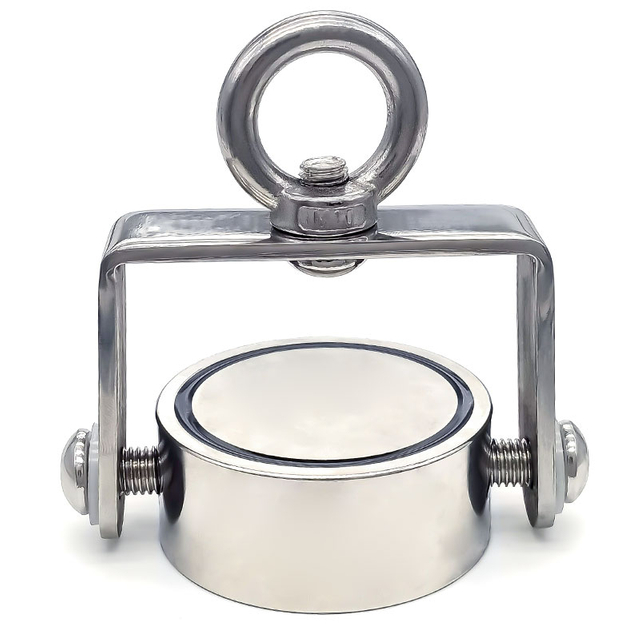
Choosing the right fishing magnet is essential for a successful magnet fishing experience. Not all magnets are created equal, and selecting the wrong one can lead to frustration and missed opportunities. The best fishing magnets offer optimal strength, durability, and ease of use.
The strength of a fishing magnet is measured by its pull force. This is the amount of weight it can lift when fully attached to a ferromagnetic object. The stronger the magnet, the bigger the items you can retrieve. For smaller objects like keys or coins, a magnet with a pull force of 200–300 lbs (90–136 kg) should suffice. However, for larger items like bicycles or safes, you'll need a much stronger magnet, with pull forces up to 1,500 lbs (680 kg).
Magnet Pull Force | Ideal For | Examples of Items |
200-300 lbs | Beginners | Coins, small tools |
600-800 lbs | Intermediate | Bikes, large appliances |
1,000+ lbs | Advanced | Safes, heavy machinery |
Fishing magnets are exposed to harsh conditions, such as constant contact with water and debris. That’s why choosing a magnet with a quality coating is essential. Nickel-coated neodymium magnets, for example, offer increased resistance to rust and corrosion, making them more durable over time.
Ningbo Shine, a leader in magnet technology, produces high-performance Neodymium magnets that are well-known for their superior coatings. Their magnets are designed to withstand the wear and tear of magnet fishing, ensuring that your magnet stays in top condition for longer.
Choosing between a single-sided and a double-sided magnet depends on your skill level and fishing method. Single-sided magnets are perfect for beginners due to their simplicity and ease of use. In contrast, double-sided magnets are designed for more experienced anglers who want to cover more area and increase their chances of finding items.
Feature | Single-Sided Magnets | Double-Sided Magnets |
Magnetic Faces | 1 Face | 2 Faces (double the surface area) |
Best For | Beginners and basic fishing techniques | Experienced anglers and advanced techniques |
Fishing Method | "Drop-and-pull" | "Toss-and-drag" |
Strength | Lower pull force | Higher pull force, more versatile |
Size | Typically smaller and more affordable | Larger and more powerful |
Ease of Handling | Easy to handle and control | Requires more skill to handle |
360-degree magnets are designed with magnets on all sides, providing full coverage to attract objects from any angle. This type of magnet is perfect for navigating challenging conditions, such as muddy or weedy water, where traditional magnets may not be as effective.
Ningbo Shine offers 360-degree fishing magnets, which are ideal for maximizing your fishing success. These magnets are designed for optimal retrieval, ensuring that you can capture ferrous objects from all directions.
Choosing the right magnet depends on your skill level and the type of objects you're hoping to retrieve. Below, we highlight some of the best fishing magnets for different needs.
If you're just starting out, look for a small, affordable, and easy-to-handle fishing magnet. The 200-lb double-sided Neodymium fishing magnet is an excellent choice for beginners. It’s strong enough to retrieve smaller items such as coins and tools, yet compact enough to handle with ease.
For more experienced users, a stronger magnet is necessary. The 1,000-lb double-sided Neodymium fishing magnet offers substantial pulling power to retrieve larger items like bicycles, safes, and large appliances. This magnet requires a sturdy rope and a strong pulling technique to be fully effective.
If you’re an extreme magnet fisher or plan to target massive items, consider a heavy-duty magnet with a pull force of 1,500 lbs or more. These magnets are ideal for lifting large, heavy objects from deep water and are often used by treasure hunters or individuals who specialize in retrieving large finds.
Skill Level | Magnet Pull Force | Ideal For |
Beginner | 200 lbs | Coins, small tools |
Advanced | 1,000 lbs | Bikes, safes, large items |
Extreme | 1,500+ lbs | Large, heavy objects |
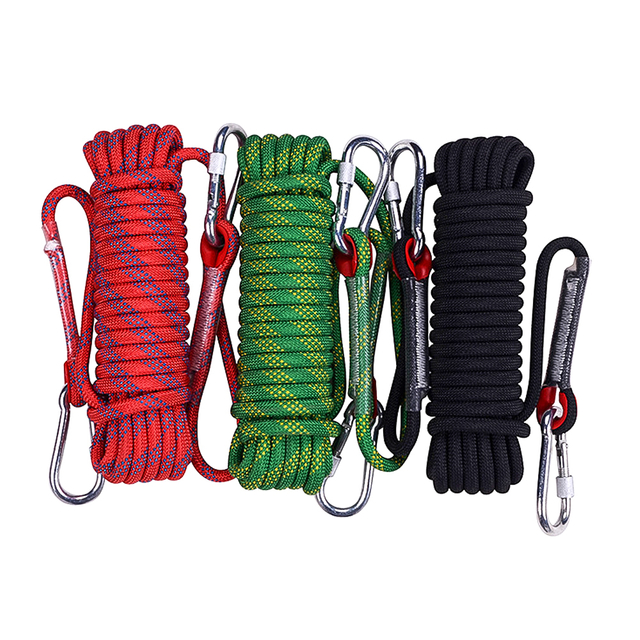
A high-quality, durable rope is essential for magnet fishing. Look for a braided rope made from materials such as nylon or polypropylene. The rope should be at least 50 feet (15 meters) long and 8mm–12mm thick to ensure that it can withstand the weight and stress of retrieving objects from the water.
Magnet fishing can be physically demanding, and it’s important to protect yourself. Wearing cut-resistant gloves will shield your hands from sharp objects and rope burns. Waterproof boots will keep your feet dry and protected from slipping on wet surfaces.
Gear Type | Key Features | Purpose |
Rope | Braided, nylon/polypropylene | Strength and durability |
Gloves | Cut-resistant | Protects hands from sharp objects |
Boots | Waterproof, slip-resistant | Keeps feet dry and safe |
A grappling hook can be helpful when you encounter large, non-magnetic objects that are difficult to retrieve with your magnet alone. Additionally, a non-magnetic bucket or container is essential for storing your finds. A protective case for your magnet will also help prevent damage when transporting it.
Magnet fishing can be done at various locations, but some places are better suited to the hobby than others. Here are some prime spots to consider:
● Canals and Rivers: These water bodies are rich in history and often contain hidden treasures, such as coins, jewelry, and tools.
● Lakes and Reservoirs: Great for finding lost fishing gear, bicycles, and even weapons.
● Piers and Docks: High-traffic areas where items are frequently dropped into the water.
Urban waterways, such as canals in cities, offer fantastic opportunities to discover forgotten objects. Historical sites, such as old bridges or harbors, are also prime locations for magnet fishing due to the potential for discovering valuable artifacts.
Before heading out, always check local regulations to ensure that magnet fishing is allowed. Avoid locations with hazardous conditions, such as polluted waters or areas with significant boat traffic.
Start by securely attaching your rope to your fishing magnet. Make sure the knot is tight and reliable to prevent losing the magnet during your fishing session.
When you throw your magnet into the water, aim for areas with a high concentration of metallic debris, such as near docks, bridges, or old structures. Once the magnet is submerged, gently drag it across the bottom to catch any ferrous objects.
Magnet fishing can present a few challenges, especially when objects become stuck in thick mud, weeds, or roots. Patience and a gentle tugging technique are key to avoid damaging your equipment. If the object proves too large to lift, using a grappling hook can help free it from the muck.
Challenge | Solution | Recommended Tool |
Stuck in mud or weeds | Use a gentle tugging technique | Grappling hook (if needed) |
Object too large to lift | Use a grappling hook to free it | Grappling hook |
Magnet fishing is an exciting hobby that lets you uncover hidden treasures in the water. Whether you're new to the activity or a seasoned angler, choosing the right fishing magnet is essential for a successful experience. By selecting the right magnet based on your skill level and the objects you're targeting, you can ensure a rewarding and enjoyable adventure. Ningbo Shine Magnetic Technology Co., Ltd. offers high-performance magnets that enhance your magnet fishing experience, providing strength and durability for both beginners and experts alike.
A: Magnet fishing involves using a strong fishing magnet attached to a rope to retrieve ferromagnetic objects from bodies of water, offering an exciting way to discover hidden treasures.
A: When selecting a fishing magnet, consider its pull force, size, and coating. Neodymium magnets are strong and durable, making them ideal for retrieving a wide range of objects.
A: The pull force determines the weight of the objects the magnet can retrieve. Higher pull forces are needed for larger items, while smaller magnets work well for lighter finds.
A: Yes, but for large objects, you need a stronger fishing magnet, like a 1,000-lb or higher pull force magnet. These are perfect for retrieving items like bikes or safes.
A: Attach a sturdy rope to your fishing magnet, toss it into the water, and drag it along the bottom. This method allows you to find ferromagnetic objects hidden underwater.
A: If the magnet gets stuck, try gently pulling the rope. If needed, use a grappling hook to help free larger items caught in thick mud or underwater obstacles.


