We are constantly trying to improve ourselves in new thoughts, new technology and new working methods.

Views: 0 Author: Site Editor Publish Time: 2026-09-23 Origin: Site


A missing specification can delay your magnet project.
How can buyers prepare Custom Neodymium Magnets requests correctly?
This guide explains key specifications, materials, coatings, and technical details.
You will learn how to improve quotes and avoid production issues.
Before creating a quotation, suppliers need clear information about the magnet application and technical requirements.
Every custom magnet project has different goals. A magnet used in industrial equipment may require different performance compared with one used in consumer products.
Providing complete details helps suppliers select suitable materials and manufacturing methods.
The first step is explaining how the magnet will be used.
Suppliers need to understand:
Product application
Installation method
Operating environment
Temperature conditions
Exposure risks
For example, a magnet used in automation equipment may require high holding force and stable performance.
A magnet used outdoors may need better corrosion resistance.
Application details help suppliers recommend proper magnet grades, coatings, and structures.
They also help avoid choosing a magnet that cannot meet actual working conditions.
Tip: Provide application details before requesting a quote. It helps suppliers recommend better magnetic solutions instead of only calculating prices.
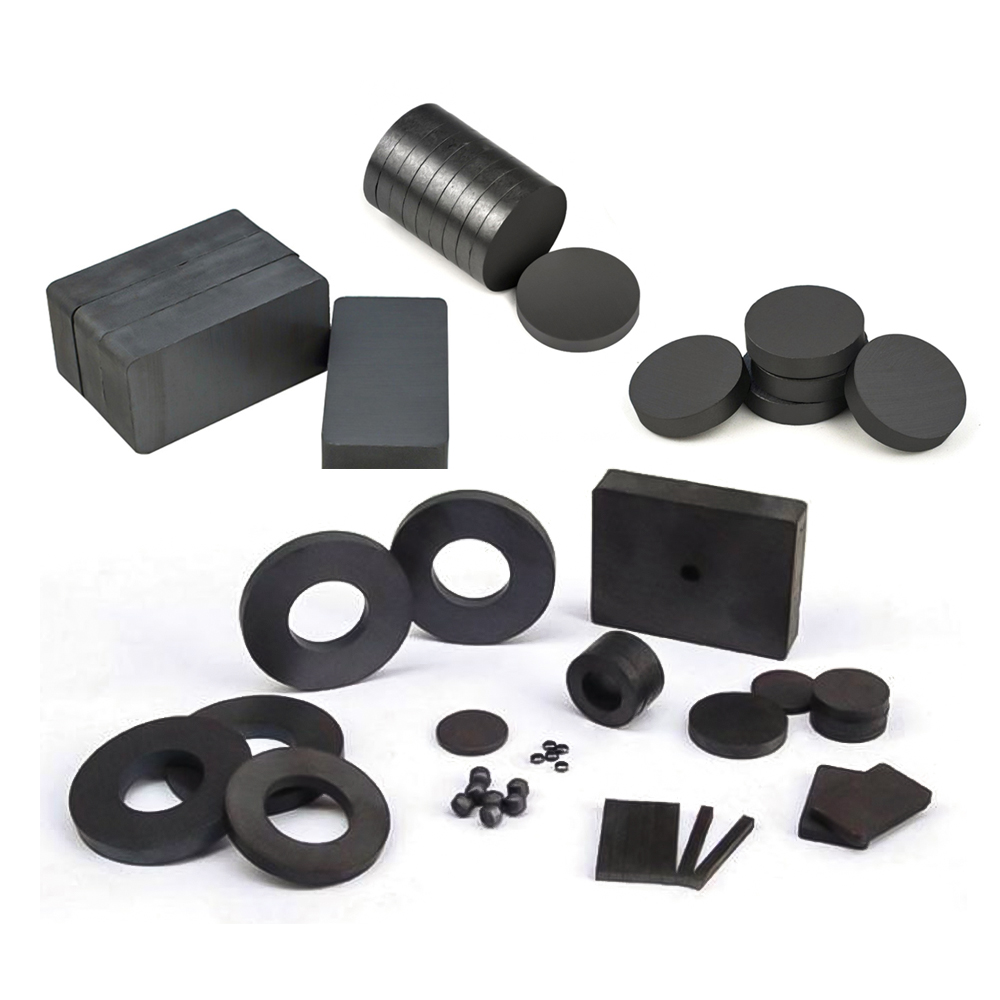
Magnet shape affects both performance and manufacturing methods.
Common custom neodymium magnet shapes include:
Disc magnets
Ring magnets
Block magnets
Square magnets
Custom-shaped magnets
Different shapes provide different installation advantages.
For example:
Magnet Shape | Common Uses |
|---|---|
Disc Magnet | Sensors, motors, holding applications |
Ring Magnet | Rotating equipment and assemblies |
Block Magnet | Industrial equipment and fixtures |
Custom Shape | Special mechanical designs |
The shape also influences magnetic distribution.
A ring magnet may need a specific inner diameter and outer diameter. A block magnet may require precise length, width, and thickness measurements.
Buyers should provide drawings whenever possible. This helps suppliers understand the complete structure.
Shine Magnetics provides customized magnet solutions for different application requirements. Buyers can review its custom magnet solutions to understand available manufacturing capabilities.
Accurate dimensions are essential for custom magnet production.
Buyers should provide:
Length
Width
Diameter
Thickness
Hole size
Dimensional tolerance
Small dimensional differences can affect assembly performance.
For example, a magnet installed inside a mechanical component may require strict tolerance control.
Clear dimensions also help suppliers estimate:
Material usage
Manufacturing difficulty
Production cost
Delivery schedule
A complete drawing reduces quotation adjustments.
Tip: Dimensions should include tolerance requirements. Standard sizes may not meet precision assembly needs.
Besides physical dimensions, buyers should define magnetic requirements.
Magnetic performance determines whether the final product can achieve the expected function.
Suppliers need these details before selecting materials and calculating production requirements.
Magnet grade is one of the most important specifications.
Common NdFeB grades include:
N35
N42
N52
Higher grades generally provide stronger magnetic performance.
However, higher magnetic strength may also increase cost.
Grade | General Characteristics |
|---|---|
N35 | Standard magnetic performance |
N42 | Higher magnetic force |
N52 | Strong magnetic performance |
The correct grade depends on application requirements.
A compact device may require stronger magnets because installation space is limited.
An industrial application may focus more on temperature resistance and durability.
Suppliers can help balance performance and budget when buyers provide clear requirements.
Magnetization direction affects how the magnet works.
Buyers should specify:
Magnetization direction
Pull force requirements
Surface magnetic field
Magnetic flux expectations
For example, a disc magnet may require axial magnetization. A special assembly may need radial magnetization.
Without this information, suppliers may not provide the correct solution.
Magnetic performance should match the final application.
A stronger magnet is not always the best choice. The design should balance strength, size, and cost.
Temperature conditions can affect neodymium magnet performance.
Before requesting a quote, buyers should confirm:
Normal operating temperature
Maximum temperature exposure
Heat cycle conditions
Standard neodymium magnets work well in many applications. However, high-temperature environments may require special grades.
Industrial equipment, automotive systems, and motors often require higher temperature stability.
Selecting the correct grade improves reliability.
Tip: Always provide operating temperature information. It helps suppliers select suitable magnetic materials and prevent performance loss.

Material selection and surface protection directly affect magnet performance.
Neodymium magnets provide strong magnetic force in a compact size. However, they also require proper protection because the material can be sensitive to corrosion.
Before requesting a quote, buyers should confirm material requirements and environmental conditions.
Custom Neodymium Magnets are mainly made from NdFeB materials.
They are widely used because of their:
High magnetic strength
Compact structure
Strong energy density
Reliable performance
However, different applications require different material characteristics.
For example, industrial equipment may require stronger holding force. Precision devices may focus on size control and stability.
Buyers should explain the final application before choosing magnet materials.
Suppliers can then recommend suitable solutions based on:
Required magnetic force
Installation space
Working environment
Performance expectations
The correct material choice improves both product reliability and service life.
Shine Magnetics supports customized magnet manufacturing based on different application requirements. Buyers can explore its Shine Magnetics official website for more information about custom magnet solutions.
Neodymium magnets usually require surface coatings to improve protection.
Common coating options include:
Coating Type | Main Benefits |
|---|---|
Nickel Coating | Good corrosion resistance and appearance |
Zinc Coating | Cost-effective surface protection |
Epoxy Coating | Better protection in humid environments |
Gold Coating | Premium appearance and protection |
The right coating depends on the working environment.
For indoor applications, nickel coating may provide sufficient protection.
For outdoor or humid environments, stronger protection may be needed.
Coating selection also affects:
Magnet lifespan
Surface appearance
Production cost
Buyers should mention coating requirements before receiving quotations.
Environmental conditions influence magnet durability.
Before ordering, buyers should consider:
Moisture exposure
Outdoor installation
Chemical contact
Temperature changes
Long-term usage
A magnet used in a dry indoor environment has different requirements from one used in industrial equipment.
For example, marine equipment may require stronger corrosion protection.
Clear environmental information helps suppliers select suitable coatings and materials.
Tip: Coating requirements should be confirmed early because changing surface treatment after production may affect cost and delivery time.
Complete technical documents improve communication between buyers and suppliers.
A supplier can provide more accurate quotations when they understand the full product requirements.
Technical information also reduces unnecessary revisions during production.
Engineering drawings provide important manufacturing details.
Buyers should include:
2D drawings
3D models
Dimensions
Tolerances
Magnetization direction
Surface requirements
CAD files help suppliers understand the magnet structure.
They are especially useful for:
Custom shapes
Complex assemblies
Precision applications
For example, a ring magnet with special holes requires accurate drawings before production.
Without technical documents, suppliers may need multiple clarification steps.
This increases communication time and may delay quotation.
Magnets are often installed as part of larger systems.
Suppliers need to understand how the magnet connects with other components.
Important details include:
Mounting method
Contact surface
Installation space
Mechanical limitations
A magnet’s performance depends on the complete assembly.
For example, a magnet installed behind a metal component may perform differently from an exposed magnet.
Assembly information helps suppliers provide more practical recommendations.
Quality requirements should be defined before production.
Buyers should clarify:
Dimensional inspection requirements
Magnetic testing standards
Surface appearance expectations
Batch consistency requirements
Professional suppliers usually perform inspections during production.
Common inspection methods include:
Size measurement
Magnetic performance testing
Surface checking
Sampling inspection
Clear quality standards help both sides maintain consistent expectations.
Tip: Include inspection requirements in the initial inquiry. It helps suppliers prepare accurate production and testing plans.
Specifications directly influence quotation accuracy.
A detailed request helps suppliers calculate production requirements and provide realistic pricing.
Incomplete information may result in repeated communication or inaccurate estimates.
Several factors affect custom magnet pricing.
Main cost factors include:
Factor | Cost Impact |
|---|---|
Magnet size | Larger magnets use more material |
Magnet grade | Higher performance grades may cost more |
Coating | Special coatings increase processing requirements |
Quantity | Larger orders may reduce unit cost |
Machining | Complex shapes require additional processing |
Custom shapes usually require more manufacturing steps.
For example, a simple disc magnet is easier to produce than a complex industrial magnet.
Material selection also affects pricing.
Higher magnetic performance often requires more advanced material processing.
Buyers should balance performance needs and budget limitations.
The strongest magnet is not always the best choice.
A suitable magnet should meet actual application requirements.
Suppliers can help optimize:
Magnetic strength
Material usage
Magnet size
Production cost
For example, reducing unnecessary magnetic strength may lower cost without affecting product performance.
A professional supplier can recommend practical solutions based on usage requirements.
Order quantity affects both pricing and production planning.
Buyers should provide:
Trial order quantity
Expected annual demand
Delivery requirements
Repeat order plans
Small quantities may require different production arrangements.
Large-volume orders may allow better production efficiency.
Providing future demand information helps suppliers prepare suitable manufacturing plans.
Tip: Share expected order volume early. It allows suppliers to provide more accurate pricing and delivery estimates.
Choosing the right supplier is an important step for custom magnet projects.
A reliable supplier should provide more than basic production. They should understand application requirements, support technical communication, and maintain stable quality.
Before placing an order, buyers should evaluate manufacturing capability and service experience.
Supplier experience directly affects project success.
Buyers should review:
Magnet production experience
Custom shape capability
Material processing ability
Quality control systems
Engineering support
A supplier experienced in Custom Neodymium Magnets can better understand different application requirements.
They can help buyers select suitable:
Magnet grades
Shapes
Coatings
Production methods
For example, an industrial equipment manufacturer may need strong magnets with specific dimensions and temperature resistance.
An experienced supplier can provide recommendations before production begins.
Shine Magnetics focuses on customized magnet solutions for different industries. Its manufacturing capabilities support projects requiring specific magnetic performance and product designs.
Quality testing ensures magnets meet expected performance.
Before cooperation, buyers should understand supplier inspection processes.
Important testing areas include:
Magnetic performance testing
Dimensional inspection
Surface quality checking
Batch consistency verification
Magnetic testing confirms whether the magnet reaches the required performance level.
Dimensional inspection ensures the magnet fits the final assembly.
Surface inspection helps identify coating or appearance issues.
A complete inspection process improves product reliability.
Technical communication is essential during customization.
A good supplier should help review:
Product specifications
Technical drawings
Application requirements
Sample feedback
Clear communication reduces misunderstandings.
It also helps suppliers identify possible problems before manufacturing.
During custom magnet development, buyers may need adjustments after sample evaluation.
A supplier with strong technical support can respond quickly and provide practical solutions.
Tip: Evaluate supplier communication ability before ordering. Fast and accurate feedback often improves project efficiency.
Complete specifications create a stronger foundation for successful magnet production.
They help suppliers understand customer requirements and reduce unnecessary changes.
For B2B buyers, detailed information improves quotation accuracy and long-term cooperation.
Incomplete information can slow down the quotation process.
Common missing details include:
Magnet size
Magnetic grade
Coating requirements
Application environment
Quantity
When suppliers lack information, they may need additional questions before preparing a quote.
A complete specification allows faster evaluation.
It helps suppliers understand:
Manufacturing difficulty
Material requirements
Production process
Expected cost
This creates a smoother communication process.
Detailed specifications help suppliers produce suitable magnets.
They support better decisions about:
Magnet selection
Material choice
Coating protection
Manufacturing methods
The correct specifications reduce risks such as:
Weak magnetic performance
Incorrect dimensions
Poor corrosion resistance
Assembly problems
A well-defined project creates more reliable production results.
Complete specifications are also valuable for future orders.
They help maintain:
Consistent product quality
Stable production standards
Easier repeat manufacturing
Better supplier cooperation
For companies purchasing magnets regularly, accurate records improve future ordering efficiency.
Suppliers can better understand previous requirements and maintain product consistency.
Tip: Keep approved drawings and specifications after production. They support faster repeat orders and reduce future communication time.
Before requesting a Custom Neodymium Magnets quote, buyers should prepare complete specifications, including size, grade, coating, and application requirements. Shine Magnetics provides customized magnet solutions with reliable performance, helping customers achieve accurate designs and stable production results.
A: Buyers should provide size, grade, coating, application, and quantity details for accurate quotes.
A: Complete specifications help suppliers select suitable materials and avoid production issues.
A: Share drawings, magnetic requirements, dimensions, and environmental conditions before production.
A: Cost depends on magnet size, grade, coating, quantity, and manufacturing requirements.
A: N35, N42, and N52 grades are selected based on required magnetic strength and application needs.


