We are constantly trying to improve ourselves in new thoughts, new technology and new working methods.

Views: 0 Author: Site Editor Publish Time: 2026-08-14 Origin: Site


Cleaning and storing a fishing magnet correctly is simple, but it protects the parts that matter most: the magnetic face, protective cup, attachment hardware, and rope. After recovery, mud, sand, metal fragments, water, and plant matter can remain on the assembly. If that material is left in place, it can hide coating damage, retain moisture, abrade the surface in storage, and make the next outing less safe. A short post-use routine gives the magnet time to dry and makes equipment problems visible before they become failures.
Clear sharp debris with gloves before rinsing the magnet.
Rinse fresh-water mud and saltwater residue away; saltwater needs more thorough follow-up.
Dry every metal connection and allow rope to dry separately.
Inspect the cup edge, threads, eye bolt, and rope before packing.
Use clean, dry storage that prevents impacts and keeps the magnet away from electronics and loose steel tools.
Start with personal protection. Wear gloves and place sharp or contaminated finds in a suitable container rather than trying to clean them from the magnet by hand. Slide small steel fragments sideways where possible. Pulling them directly away can produce a sudden snap and pinch fingers.
Once loose debris is removed, rinse the assembly with clean water. A soft brush or cloth can lift silt from the cup rim, eye hardware, and rope connection. Do not use a grinder, hammer, or aggressive metal tool to scrape the housing; these can damage the very protective surfaces that keep the internal magnet in service. The Shine fishing-magnet page describes protective housing and corrosion-resistant components on its product designs, but those features still benefit from gentle cleaning.
Freshwater normally leaves mud, minerals, and organic material. Saltwater leaves dissolved salts that remain after visible water dries. That makes prompt clean-water rinsing particularly important after sea, tidal, or spray exposure. Rinse the fishing magnet, ring or eye bolt, and any metal connector on the rope. Do not neglect a wet rope: it can transfer salt back onto the attachment point after the magnet appears clean.
After-use condition | Cleaning priority | Storage decision |
Muddy freshwater | Remove grit and organic residue | Dry before packing |
Saltwater or sea spray | Rinse thoroughly with clean water | Dry and inspect more closely |
Fine metal filings | Brush away carefully with gloves | Keep out of fabric bags and threads |
Coating chip or impact mark | Clean without enlarging damage | Assess before the next use |
Wet or frayed rope | Rinse if needed and air dry | Do not coil damp rope with the magnet |
Wipe visible water from the housing and hardware, then allow the assembly to air dry before enclosing it. Pay attention to recessed threads, the underside of an eye bolt, cup edges, and crevices where moisture can remain. Separate the rope from the magnet when practical so it can dry fully rather than holding water against metal.
Avoid applying high heat to speed the process. A powerful neodymium magnet and its coatings should not be treated like ordinary workshop steel. Heat, impact, and unsuitable chemical cleaning can reduce performance or damage protective layers. Controlled air drying and a clean cloth are the safer default.
Inspection is easiest after cleaning because dirt no longer hides damage. Check whether the eye bolt, lifting ring, or threaded connector is seated correctly; examine the cup for dents, deep scratches, flaking, or rust staining; and inspect the rope near its attachment. A small defect is useful information. It may indicate that the equipment struck rocks, steel edges, or another hard surface during retrieval.
Do not continue using an assembly with loose attachment hardware, a significantly damaged housing, or a rope with cuts and severe abrasion. A fishing magnet can remain magnetic while its recovery system is no longer dependable. Treat the rope and connector as load-bearing components, not accessories.
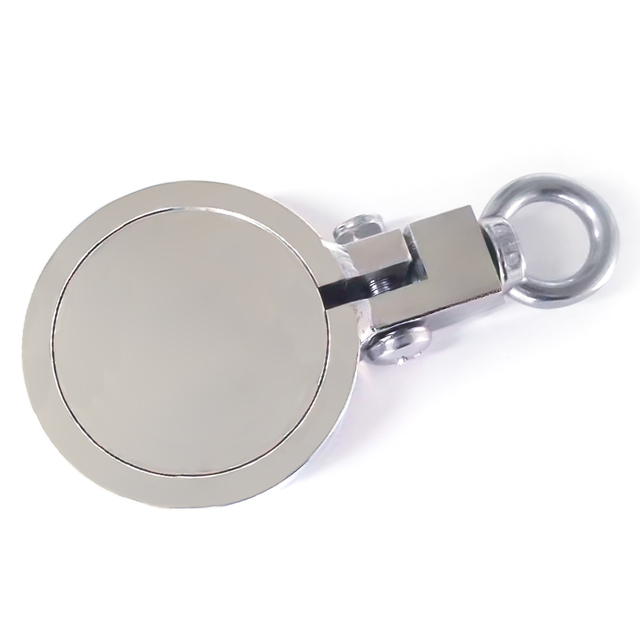
Choose a dry location with enough separation from computers, phones, payment cards, magnetic tools, and loose ferrous items. A protective case, compartment, or padded divider prevents accidental impacts and stops the magnet from collecting hardware while stored. Do not put it loose in a toolbox where it can strike other tools every time the box moves.
The storage container should be dry before use. A sealed bucket is not automatically good storage if it traps damp air or a wet rope. If the fishing magnet was used in saltwater, make its next inspection sooner, not later. Regular storage checks are also a sensible time to remove accumulated metal filings from the case.
Rope can hide moisture and damage. Lay it out or hang it in a ventilated place until dry, then coil it without sharp kinks. Inspect the knot, sewn loop, thimble, carabiner, or connector according to the actual setup. The rope should not be wrapped around a magnet in a way that forces the fibres against sharp debris or metal edges.
For a round double-sided fishing magnet, the attachment point and the hardware protecting it deserve the same care as the magnetic faces. Before a new outing, confirm that threaded parts are clean, fully engaged as intended, and free from grit that could prevent correct seating.
The best time to care for a fishing magnet is immediately after use. Remove debris safely, rinse away mud and salt, dry the housing and rope, inspect the complete recovery assembly, and store it in a dry protected location. This routine takes little time yet protects against corrosion, hidden damage, accidental impacts, and rope failure. Ningbo Shine Magnetic Technology Co., Ltd. offers fishing-magnet designs for retrieval applications, but reliable service also depends on how the complete assembly is cleaned and stored between uses.
Yes. Clean water is useful for removing mud and salt residue. Dry the magnet and its hardware thoroughly afterwards.
Wear gloves and slide pieces sideways or use a suitable non-damaging tool. Avoid putting fingers between the magnet and sharp debris.
You can, but do not store it wet. Separating and drying the rope helps prevent trapped moisture at the attachment point.
Store it away from loose ferrous tools and equipment it could damage or attract unexpectedly. A compartmented or padded case is safer.
Inspect it after every outing and more closely after heavy impacts, a stuck-magnet event, or saltwater exposure.


