We are constantly trying to improve ourselves in new thoughts, new technology and new working methods.

Views: 0 Author: Site Editor Publish Time: 2026-08-28 Origin: Site


Equipping a precast concrete facility requires high capital expenditure. You must allocate budgets carefully to maximize long-term value. Among these expenses, magnetic formwork components demand significant attention. Premature failure of these tools rarely happens because the internal magnet degrades. The neodymium core usually retains its power indefinitely. Instead, outer casings often fail first. They surrender to alkaline concrete, moisture, and rough mechanical impact. We will explore how surface protection prevents this damage. You will learn why casing materials dictate project success. We will examine various coating technologies and their practical benefits. You will discover how proper maintenance protocols protect your investment. Precast plants present harsh environments daily. Workers handle heavy steel forms constantly. Equipment must withstand this severe abuse. We provide actionable insights to guide your purchasing strategy. You can apply these lessons to improve daily operations. Selecting the right armor remains a crucial procurement decision.
Corrosion vs. Impact: The right surface protection must balance resistance to the highly alkaline environment of wet concrete with the mechanical durability needed to survive heavy-duty plant handling.
Material Matrix: Stainless steel casings offer the highest baseline lifespan and corrosion resistance, while treated carbon steel (galvanized or blackened) provides a cost-effective alternative for controlled environments.
Operational Synergy: No surface coating can substitute for standardized maintenance SOPs; pairing the right finish with proper storage and cleaning protocols extends service life by up to 300%.
Value Over Price: Evaluating shuttering magnets based solely on unit price ignores the operational friction of frequent replacements and difficult concrete release.
Precast plant managers face a constant operational battle. Equipment degrades rapidly under daily stress. You need tools designed for thousands of casting cycles. A successful investment maintains perfect adhesive force consistently. For example, a 900kg or 2100kg unit must perform flawlessly. It should never require localized repairs. Reliable Shuttering Magnets keep production lines moving. Weak surface protection invites inevitable disaster. You must establish strict success criteria before purchasing.
Wet concrete contains highly alkaline slurry. This harsh chemical mix destroys untreated metals quickly. Compromised surface protection allows liquids to penetrate the casing. Alkaline elements seep into internal spring mechanisms easily. They reach the delicate magnetic block eventually. Internal jamming occurs almost immediately. Rapid oxidation ruins the expensive internal components. You lose holding power when internal rust creates air gaps. Preventing ingress remains your primary defense strategy.
Mechanical degradation ruins unprotected units routinely. Precast plant floors are notoriously brutal environments. Workers drop heavy items constantly. Steel hammers strike equipment during busy shifts. Trowels scrape against delicate surfaces. Casing coatings must resist flaking entirely. They cannot chip under severe physical impact. Hardened steel bodies survive these collisions better. Fragile polymer layers fail under such intense abuse. You must anticipate this rough handling.
Inaction carries steep financial penalties. Poor surface protection creates massive hidden expenses. Your laborers spend hours chiseling cured concrete. They scrape rusted casings endlessly between shifts. This wasted time inflates your daily labor costs. Rusted units pose severe factory safety risks. They might lose their grip during a crucial pour. Structural compromise threatens entire production runs. You must address these vulnerabilities proactively to protect margins.
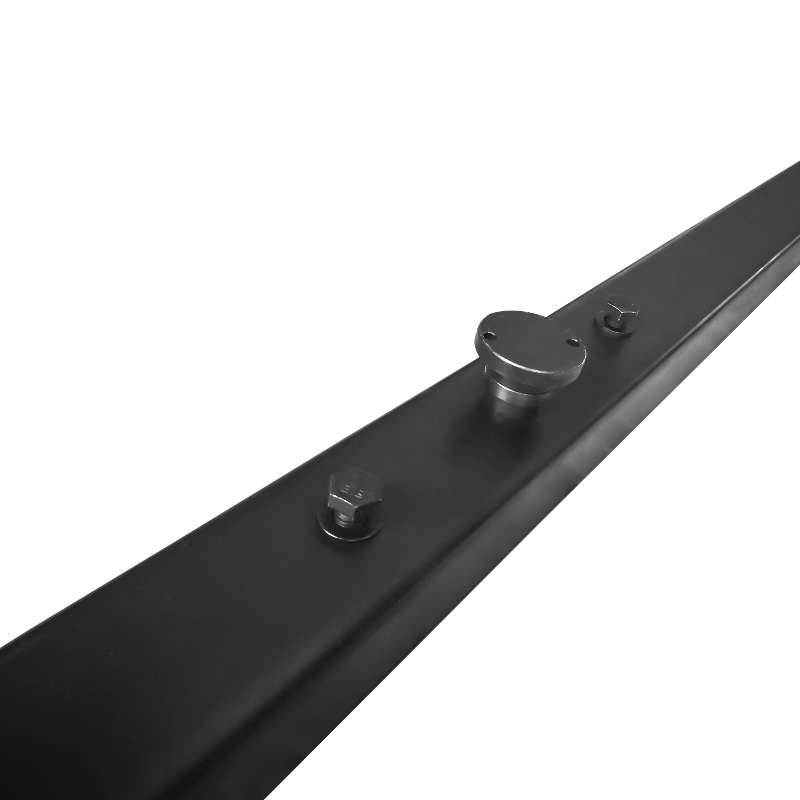
Stainless steel represents the premium industry standard. It resists oxidation naturally. It repels alkaline corrosion effectively. This material does not rely on applied superficial layers. It boasts the highest initial capital expenditure. However, it delivers the lowest long-term maintenance costs. High-volume automated plants benefit immensely from this upgrade. Concrete spatter adheres poorly to polished stainless surfaces. You spend less time scraping forms daily. They clean up effortlessly between shifts.
Blackening offers a highly economical choice. A chemical conversion process creates an oxide layer. It adds mild corrosion resistance. Dimensional changes remain minimal during application. This option suits tight budgets perfectly. However, it remains highly vulnerable. High-humidity environments cause rapid rusting. You must apply release agents strictly. Workers need to oil these units regularly. Skipping this step leads to immediate and severe oxidation.
Zinc-plated carbon steel serves as a reliable middle ground. A sacrificial zinc layer protects the underlying steel. It stops moisture penetration effectively. It blocks alkaline elements completely. It provides superior corrosion resistance compared to blackening. Yet, repeated physical abrasion damages the zinc layer. Trowels scrape the protective barrier away. Rough handling compromises the entire shield. Once breached, the exposed steel rusts quickly.
A baked-on polymer layer creates a physical shield. It offers excellent chemical resistance initially. Slurry cannot penetrate the unbroken surface. But mechanical impact poses severe operational risks. Hammer strikes chip the coating easily. Flaking occurs during normal plant operations. Moisture enters through these tiny chips quickly. Sub-surface corrosion spreads unnoticed beneath the paint. The entire layer eventually peels off entirely.
Table 1: Surface Protection Performance Matrix
Casing Material | Corrosion Resistance | Impact Durability | Maintenance Needs |
|---|---|---|---|
Stainless Steel | Excellent | High | Low |
Galvanized Steel | Good | Moderate | Medium |
Blackened Carbon Steel | Low | High | High |
Epoxy/Powder-Coated | High (if unbroken) | Low | Medium |
You must map protective features to your specific outcomes. Every factory environment differs significantly. We can correlate specific coatings to your daily challenges. By matching materials to workflows, you maximize efficiency.
High Humidity Facilities: Zinc-plated or stainless options eliminate weekly rust-removal labor. They prevent atmospheric moisture degradation.
High Impact Zones: Avoid epoxy coatings completely. Choose bare stainless steel instead. It absorbs shocks safely.
Budget Constrained Projects: Use blackened steel alongside strict oiling schedules. This requires disciplined worker protocols.
Automated Lines: Deploy stainless units exclusively. Robots require precise, clean surfaces constantly.
Cleaning efficiency reduces operational expenses drastically. Commercial concrete release agents interact differently across finishes. Smoother protections reduce scraping time significantly. Non-porous surfaces repel sticky slurry naturally. Your crews clean forms faster every day. This efficiency saves countless labor hours annually. Less aggressive cleaning also preserves the magnetic housing longer. You avoid using damaging wire brushes entirely.
Longevity shifts procurement math fundamentally. We can model expected service lifespans easily. Cheaper blackened units fail quickly under harsh conditions. You might replace them every single year. Conversely, a stainless steel body functions effectively for over five years. The initial price tag matters less over time. A reliable Shuttering Magnets,Magnetic Formwork System generates better overall returns. You eliminate costly production interruptions entirely.
Many buyers believe premium items are maintenance-free. This dangerous fallacy destroys expensive equipment. Even premium stainless units require baseline care. You must protect their mechanical buttons constantly. Internal springs need regular attention. Concrete dust ruins moving parts eventually. Neglect overrides any advanced surface engineering. You must establish strict cleaning schedules. Proper care guarantees maximum material lifespan.
Handling risks require strict management daily. Warn your teams about metal hammers. Striking casings directly fractures surface coatings. It dents stainless steel bodies deeply. You should implement specialized release tools. Rubber mallets provide safe alternatives for disengagement. Proper training prevents unnecessary damage. Supervise your floor workers closely. Eliminate destructive habits to preserve your investment.
Storage protocols remain equally critical. You must standardize these procedures factory-wide.
Clean every unit thoroughly after each shift.
Remove all concrete residue using approved scrapers.
Lightly oil casings before long-term storage.
Store units in dry, designated racks.
Keep magnetic surfaces separated appropriately.
Even galvanized options need this diligent protection. Dry storage prevents micro-corrosion during off-seasons. Proper storage extends lifespans significantly.
Audit your current plant conditions first. Assess the operating environment accurately. Do you cast outdoors frequently? Rain and humidity destroy cheap coatings fast. Are your workers prone to aggressive handling? Delicate finishes will not survive. You need robust armor to withstand them. Evaluate your current release agent chemistry. Ensure compatibility between chemicals and chosen metals.
Request hard evidence from potential vendors. Ask suppliers for salt-spray test results. Demand long-term durability case studies. These documents should specify casing materials clearly. Do not accept vague performance promises. Data proves actual field performance. Verify third-party testing certificates. Ensure manufacturers adhere strictly to global quality standards.
Run physical trials before scaling up. Procurement teams should mandate a 30-day pilot. Mix different surface treatments initially. Test stainless against galvanized options side-by-side. Measure real-world concrete adhesion directly. Track actual cleaning times closely. Gather this data before outfitting the entire facility. Field testing reveals hidden operational friction. It prevents costly purchasing mistakes.
The permanent magnet rarely dictates service life. The outer armor determines true longevity. You must align budgets with plant maintenance cultures. Invest in premium surface protection wisely. Rough handling demands stronger exterior casings. Harsh alkaline exposure requires superior chemical resistance. You must avoid false economies when selecting materials. Prioritize long-term durability over initial unit savings. Consult a technical specialist today. Audit your current equipment degradation closely. Select the optimal casing material confidently for your next procurement cycle.
A: With proper surface protection and handling, a high-quality magnet can last 3 to 5 years. Without adequate protection against rust and concrete ingress, lifespan can drop to under 12 months. Regular cleaning drastically extends this timeframe.
A: It provides the best corrosion resistance and longest life, but may not be strictly necessary for dry, highly-controlled indoor facilities where galvanized steel combined with strict maintenance SOPs can achieve similar results. You should match the material to your specific environment.
A: Minor surface rust on carbon steel can be cleaned and re-oiled, but chipped powder coatings or deeply pitted galvanized layers generally cannot be effectively repaired on-site, accelerating the need for replacement. You must prevent initial coating damage actively.
A: The external casing coating does not diminish the internal NdFeB magnet's strength. However, if the coating fails and allows a buildup of rust or concrete on the bottom contact surface, the resulting air gap will significantly reduce the effective magnetic holding power.


