We are constantly trying to improve ourselves in new thoughts, new technology and new working methods.

Views: 0 Author: Site Editor Publish Time: 2026-01-26 Origin: Site


Have you ever wondered how electromagnets work and why they’re so important? From electric motors to medical imaging systems, electromagnets play a crucial role in modern technology.
In this article, we’ll explore the materials that make electromagnets efficient and effective. Specifically, we’ll discuss why choosing the right material—such as soft iron—is essential for performance, durability, and energy efficiency. You’ll learn how different materials impact the strength and reliability of electromagnets, with insights from Ningbo Shine on how they ensure quality in every product.

Magnetic permeability is the ability of a material to support the formation of a magnetic field. It determines how easily the material becomes magnetized. For an electromagnet, high magnetic permeability is critical because it allows the core material to concentrate the magnetic flux generated by the coil, creating a much stronger magnetic field. Therefore, materials with higher permeability enhance the overall effectiveness of electromagnets without requiring excessive power.
When the current in an electromagnet is turned off, the material must lose its magnetism almost immediately. Materials with low residual magnetism (also known as hysteresis) are preferred because they do not retain their magnetism when the current stops. This allows for quick switching on and off, which is essential in applications like electric motors and relays. Soft iron, for instance, is often chosen for its quick demagnetization properties, making it ideal for controllable electromagnets.
Material workability refers to how easily the material can be processed into the required shapes and sizes for an electromagnet. Iron, for example, is a popular choice because it’s relatively inexpensive and easy to process compared to more exotic materials like cobalt or nickel. As electromagnets are used in various industries, including manufacturing, using materials that are both cost-effective and easy to work with ensures they remain affordable and scalable.
● Ningbo Shine's Commitment: Ningbo Shine ensures the use of cost-effective, high-quality materials, allowing customers to create efficient electromagnets without sacrificing performance or sustainability.
The material used for the coil windings in an electromagnet is equally important. Copper is the material of choice for most electromagnets due to its high electrical conductivity, which allows current to flow easily through the coil, generating a stronger magnetic field. Although aluminum is sometimes used for its lighter weight and lower cost, it is less conductive than copper, which means it requires more wire turns to achieve the same magnetic strength.
Property | Detail |
Magnetic Permeability | Allows material to concentrate magnetic flux, creating a stronger field. |
Demagnetization Speed | Quick loss of magnetism for efficient switching, essential in motors and relays. |
Workability & Cost | Easy to process and cost-effective for large-scale production. |
Conductivity | Copper is preferred due to its high conductivity, ensuring stronger magnetic fields. |
Soft iron is often considered the best material for electromagnets due to its high magnetic permeability. It allows the magnetic flux to be concentrated efficiently, resulting in a much stronger magnetic field than other materials. This makes soft iron ideal for applications requiring a high-strength electromagnet, such as motors and electromagnetic lifting systems.
Soft iron’s ability to quickly lose its magnetism when the current is turned off is a major reason for its widespread use in electromagnets. When the electric current stops, the soft iron core rapidly demagnetizes, preventing the buildup of residual magnetism, which could interfere with the magnet's performance. This characteristic makes soft iron the go-to material for electromagnets in applications where the ability to switch the magnetic field on and off quickly is essential.
Property | Description | Ideal for |
High Magnetic Permeability
| Soft iron concentrates magnetic flux efficiently, resulting in a stronger magnetic field. | High-strength electromagnets used in motors, electromagnetic lifting systems, etc. |
Low Residual Magnetism | Soft iron rapidly demagnetizes when the current stops, preventing interference from residual magnetism. | Applications that require quick switching of the magnetic field, such as in relays and electric motors. |
Soft iron-based electromagnets are used in various applications, including:
● Motors: Soft iron’s ability to efficiently concentrate magnetic fields makes it ideal for electric motors.
● Relays: In relays, soft iron provides strong and reliable magnetic fields to control switching mechanisms.
● Lifting Magnets: Soft iron is used in industrial electromagnets for lifting heavy ferrous materials, ensuring reliable performance in harsh environments.
Low-carbon steel is another material that can be used for electromagnets. While it offers similar magnetic properties to soft iron, it is generally less effective because it has a slightly lower magnetic permeability and may retain more residual magnetism. However, low-carbon steel is still widely used in applications where cost and material availability are primary considerations.
For alternating current (AC) applications, such as transformers and chokes, silicon steel is often used. Laminated silicon steel is favored because it reduces energy loss due to eddy currents, which are induced currents that can waste energy in the core. This material is particularly useful in devices that operate on AC power, where maintaining efficiency is critical.
Cobalt and nickel alloys are used in specialized electromagnets, particularly in high-performance or high-temperature environments. These materials have higher magnetic saturation levels compared to soft iron and are used when a higher magnetic field is needed. However, these materials are generally more expensive and harder to process, making them less common for everyday electromagnet applications.
Material | Description | Applications |
Low-Carbon Steel | Lower permeability and more residual magnetism than soft iron. | Cost-effective and widely available for general use. |
Silicon Steel for AC | Reduces energy loss in AC applications. | Used in transformers, chokes, and AC-powered devices. |
Cobalt and Nickel Alloys | Higher magnetic saturation for stronger fields in specialized applications. | High-performance electromagnets in high-temperature or demanding environments. |
For industrial electromagnets used in lifting applications, materials like mild steel and manganese steel are commonly used. Mild steel provides a good balance between magnetic permeability and cost, while manganese steel is used for its excellent wear resistance, which is essential in environments where the electromagnet is exposed to physical stress.
In high-tech applications, such as MRI machines or industrial separation, higher-end materials are used. These may include specialized alloys designed to operate at higher temperatures or in more demanding environments. Materials for these types of electromagnets often focus on maximizing efficiency, strength, and durability.
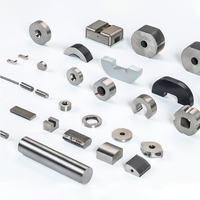
The material used for the coil windings plays a significant role in an electromagnet's performance. Copper is the most common choice because of its excellent electrical conductivity, which allows for a stronger magnetic field with fewer wire turns. On the other hand, aluminum is lighter and cheaper but less conductive, meaning it requires more turns of wire to generate the same magnetic strength as copper.
Coil Material | Conductivity | Magnetic Strength | Cost |
Copper | High | Stronger magnetic field with fewer turns. | Higher |
Aluminum | Lower | Requires more turns to achieve the same field strength. | Lower |
Coil windings are often coated with an insulating resin to protect the wire and ensure longevity. This resin helps prevent moisture from affecting the electrical properties of the wire and protects the coils from wear and tear. Ensuring the durability of the coil is essential, as it is subject to electrical currents and mechanical stress.
The manufacturing process for electromagnets involves carefully selecting and processing the core material and coil winding material. Core materials like soft iron are shaped into the required forms, while coil windings are made from copper or aluminum wire. The winding process must be precise to ensure the electromagnet's strength and performance.
Quality control is vital in ensuring the materials used in electromagnets meet performance standards. Testing involves verifying the material’s magnetic properties, durability, and resistance to wear and tear. Ningbo Shine follows strict quality control procedures, ensuring that only the best materials are used in their electromagnets, resulting in products that are reliable and long-lasting.
In summary, the best material for making an electromagnet depends on its intended application. However, soft iron is the most widely used due to its high magnetic permeability and low residual magnetism. For specialized uses, materials like low-carbon steel, silicon steel, and premium alloys may be considered.
Ningbo Shine Magnetic Technology Co., Ltd. continues to lead the industry by providing high-quality electromagnets. Their products are crafted with carefully selected materials, ensuring optimal performance, sustainability, and value for their clients.
A: The best material for making an electromagnet is soft iron. It has high magnetic permeability, which helps concentrate the magnetic flux, resulting in a stronger field. Soft iron also loses its magnetism quickly when the current is turned off, making it ideal for applications where the magnet needs to be controlled and switched on and off.
A: Soft iron is used in electromagnets because of its high magnetic permeability and ability to quickly lose magnetism when the current stops. This makes it perfect for creating strong, controllable magnetic fields in devices like motors and relays.
A: Yes, materials like low-carbon steel, silicon steel, and cobalt alloys are sometimes used in specialized electromagnets. These materials may be chosen for specific applications requiring higher performance or resistance to extreme conditions, but soft iron remains the most commonly used material.
A: The material's magnetic permeability plays a key role in the strength of an electromagnet. Materials like soft iron concentrate the magnetic flux, leading to a stronger magnetic field. Materials with low permeability do not concentrate the flux as effectively, weakening the field.
A: Copper wire is preferred in electromagnets for its high electrical conductivity. It allows current to flow easily, generating a stronger magnetic field with less energy loss. This makes copper an efficient choice for electromagnet coils.
A: Material choice significantly impacts the cost of electromagnets. Soft iron is cost-effective for many applications, while specialized materials like silicon steel or premium alloys can increase the cost but offer specific performance advantages in demanding applications.


