We are constantly trying to improve ourselves in new thoughts, new technology and new working methods.

Views: 0 Author: Site Editor Publish Time: 2026-08-28 Origin: Site


Selecting the correct holding force for precast concrete magnets remains a critical operational decision. You must constantly balance strict factory safety against smart capital efficiency. Plant managers face a tough reality on the factory floor every day. Under-specifying your magnet capacity inevitably leads to severe concrete blowouts and costly dimensional inaccuracies. Conversely, over-specifying inflates equipment budgets needlessly. Buying too much capacity also dramatically increases worker fatigue during daily stripping phases.
This guide provides a proven, evidence-based framework for matching magnet capacity directly to your formwork profiles. We will explore how different formwork materials, vibration conditions, and sizing guidelines dictate your exact holding requirements. You will learn exactly how to size these essential tools for optimal daily production. Proper specification ensures your production lines run smoothly while protecting both your workforce and your profit margins.
Holding force requirements scale with formwork height, typically ranging from 450kg for thin edge boards to 2100kg+ for massive precast elements.
Rated "vertical pull force" does not equal real-world lateral sliding resistance; buyers must account for a 20-30% safety margin.
Formwork material (steel vs. timber) and vibration table intensity heavily dictate the final magnetic holding requirements.
An optimized Magnetic Formwork System relies on proper magnet spacing (usually every 1–1.5 meters) rather than relying on a single oversized unit.
Before buying equipment, you need to define what a successful implementation actually looks like. In a high-volume precast facility, success means zero concrete leakage during pouring. It means producing precast dimensions that perfectly match architectural drawings. Success also requires manageable physical effort for your workers on the line.
Understanding the risk of under-sizing is crucial. Fresh concrete acts as a heavy, dynamic fluid. When you apply high-frequency vibration to remove air bubbles, the hydrostatic pressure against your formwork multiplies. If your magnets lack sufficient lateral holding power, the formwork will shift. Even a tiny shift causes lateral movement during high-frequency vibration. This results in wasted concrete, severe panel deformation, and massive rework costs. Furthermore, sudden formwork blowouts create immediate physical safety hazards for anyone standing near the casting beds.
On the other hand, the hidden cost of over-sizing often traps unwary buyers. You might think buying the strongest magnet available guarantees safety. However, detailing how buying excessive holding force strains CapEx budgets is important. Using 2100kg magnets where 900kg models are sufficient wastes valuable capital. More importantly, it reduces production speed. Releasing an oversized magnet requires tremendous physical leverage. When you purchase oversized Shuttering Magnets, your workers face severe physical exhaustion by the end of their shift. Worker fatigue slows down stripping operations and increases the risk of workplace injuries.
Finding the exact right capacity ensures you spend capital wisely while keeping operations lean. We focus on calculating precise needs rather than guessing. Let us look at how you match capacity to specific formwork heights.
Evaluating your baseline requirements starts with your typical precast concrete profiles. You need a reliable decision matrix for evaluating magnet specifications. The guidelines below categorize solutions based on the height and weight of the elements you produce most often.
Magnet Capacity Range | Target Formwork Height | Primary Precast Application |
|---|---|---|
450kg – 600kg | Up to 100mm | Thin panels, edge boards, lightweight chamfers |
900kg – 1350kg | 100mm to 200mm | Standard wall panels, sandwich panels |
1800kg – 2100kg+ | Over 200mm | Heavy-duty elements, staircases, bridge girders |
For low-height operations, the 450kg to 600kg capacity range works perfectly. Target profiles include formwork up to 100mm in height. These smaller magnets handle thin panels, simple edge boards, and lightweight chamfers efficiently. They are easy to move and require minimal physical effort to release. You should deploy them for detail work where high hydrostatic pressure is not a major factor.
The 900kg to 1350kg capacity serves as the undisputed industry standard for versatile precast plants. Target profiles usually involve medium formwork heights ranging from 100mm to 200mm. They easily secure standard solid wall panels and complex sandwich panels. Plant managers favor this mid-range capacity because it offers an ideal blend of strong lateral resistance and manageable physical weight. They adapt well to diverse daily production schedules.
For demanding structural components, you must step up to the 1800kg to 2100kg+ capacity range. These massive units target heavy-duty applications. Whenever you cast high wall panels over 200mm, complex staircases, or massive bridge girders, you need this extreme holding force. The volume of concrete in these molds generates immense outward pressure during vibration. Only top-tier capacities can prevent dangerous shifts.
We must address the baseline assumptions behind these sizing guidelines. These ranges strictly assume you operate standard steel casting beds in optimal condition. If your steel tables are heavily rusted, exceptionally thin, or damaged, even a 2100kg magnet will fail to deliver its rated performance. Environmental variables always alter baseline mathematics.
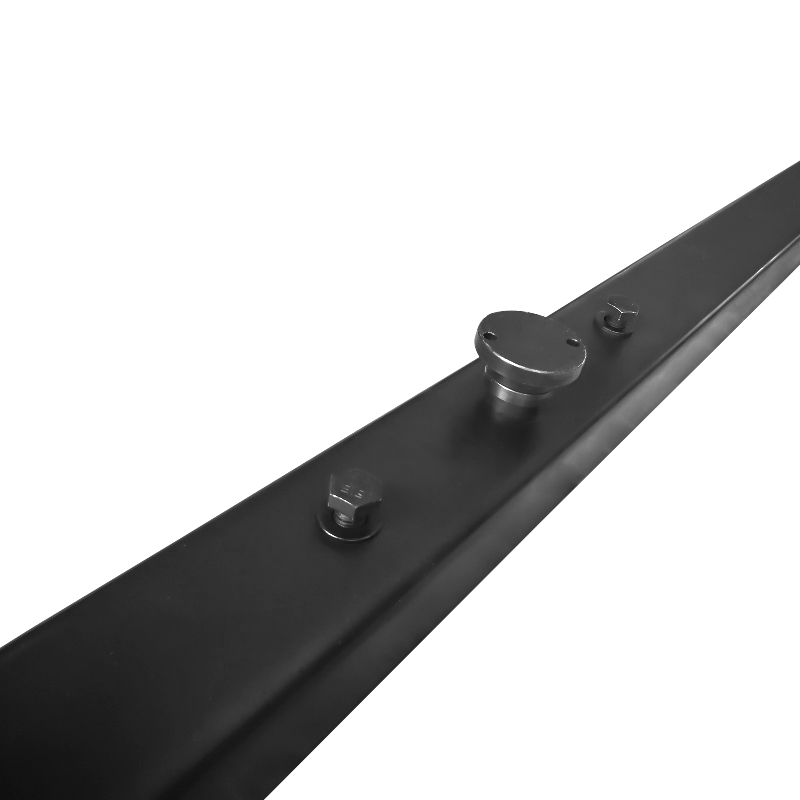
Real-world factory conditions rarely match perfect laboratory testing environments. We must break down the environmental and material factors that mandate capacity adjustments. Translating features to outcomes helps you avoid costly miscalculations on the production floor.
Formwork material significantly influences magnetic adhesion. You get maximum magnetic efficiency when placing magnets directly onto clean, flat steel. The magnetic circuit closes perfectly. However, many plants use integrated timber or plywood adaptors to create custom panel shapes. Wood introduces friction variables and slight air gaps. When using timber elements, you may require a higher baseline capacity to compensate for the friction loss between the wood and the steel bed.
Vibration intensity acts as the ultimate stress test for your holding force. Fresh concrete consolidation requires heavy vibration. Explain how high-frequency table vibrators or internal pokers create intense sheer stress. This dynamic energy attempts to literally bounce the magnets off the table. Therefore, intense vibration protocols require a higher baseline holding force simply to prevent micro-shifts. If your plant relies on aggressive internal poker vibrators, always scale your magnet capacity up by at least one tier.
Surface thickness and air gaps dictate actual magnetic flux penetration. Physics dictates a harsh reality regarding holding force. Magnets need a sufficient volume of steel to anchor their magnetic field. Note the physical reality that concrete residue, heavy rust, or thin steel tables severely degrade actual holding force. If your casting bed is under 8mm thick, the magnetic field pushes straight through the metal rather than looping back. You lose massive amounts of power. Keep your tables scraped clean; even a 1mm layer of dried concrete acts as an air gap that slashes holding force by half.
Always scrape and oil steel casting beds between every single production cycle.
Measure your steel table thickness; upgrade tables if they fall below the 8mm threshold.
Store magnets in dedicated racks to prevent debris from clinging to the active magnetic blocks.
Conduct monthly visual inspections to ensure the bottom contact surface remains perfectly flat.
Buying the right capacity only solves half the equation. You must place the tools correctly. We often see buyers misunderstand implementation risks. Address the misconception that you can concentrate total holding force in one specific area. Placing two massive magnets in the center of a long formwork panel will not stop the ends from bowing outward under concrete pressure.
Strategic positioning distributes the holding force evenly across the entire length of the mold. Outline the standard rule of thumb for spacing: you should position units typically 1 to 1.5 meters apart. Furthermore, you must place magnets roughly 200mm from the ends of the formwork. This specific end-spacing prevents the corners from blowing out when concrete flows outward during pouring. It locks the geometry in place perfectly.
We must also look at system synergy. Explain how individual units integrate with standard U-profiles or custom adaptors. A standalone magnet does nothing without a proper connection to the mold. You secure the magnet to the formwork profile using specialized clamps, bolts, or welded brackets. They combine to form a reliable Magnetic Formwork System. This cohesive system acts as a single, rigid barrier against concrete pressure.
Worker ergonomics remain a constant priority. Highlight the necessity of compatible release levers. Deploying fifty magnets across a large casting bed requires significant physical exertion. The physical realities of daily deployment on the factory floor mean release mechanisms must actuate smoothly. If the release lever design forces a worker to bend awkwardly or apply extreme body weight, you will face increased absenteeism and slower turnaround times. Choose systems designed for quick, ergonomic engagement and disengagement.
Choosing a manufacturing partner requires an actionable evaluation framework. We guide the buyer on what to look for far beyond the glossy marketing spec sheet. Do not take rated capacities at face value without seeing the engineering math behind them.
Demand verifiable, third-party pull-test reports for every magnet model.
Inspect the physical build quality of the housing and internal spring mechanisms.
Review the supplier's warranty policy regarding internal corrosion and magnetic degradation.
Order a small sample batch to test in your own facility before signing a bulk contract.
Testing transparency separates trustworthy manufacturers from unreliable vendors. Demand verifiable pull-test reports immediately. A trustworthy supplier should easily explain the difference between vertical breakaway force and lateral shear force. Vertical pull force measures how hard it is to lift the magnet straight up. Lateral shear force measures sliding resistance, which is what actually stops concrete from pushing the formwork away. Good suppliers will help you calculate the 20-30% safety margin required for lateral resistance.
Housing and durability dictate the lifespan of your investment. Evaluate carbon steel versus stainless steel housings carefully. Precast concrete environments are highly alkaline and aggressively corrosive. While carbon steel costs less initially, it rusts quickly if the protective coating chips. Stainless steel housings offer superior corrosion resistance in these highly alkaline environments. They protect the delicate neodymium magnetic blocks inside from moisture and chemical degradation.
Finally, plan your next-step actions carefully. We strongly recommend initiating a localized pilot test. Order 2-3 different magnet capacities to trial in your facility. For example, try testing both 900kg and 1350kg models on your most commonly produced precast element. Run them through a full week of pouring, vibrating, and stripping. Gather direct feedback from your floor workers regarding release effort and panel stability. Only proceed with a full facility rollout once the pilot test proves successful.
Specifying the right holding force is a strict engineering calculation, not a guessing game. Relying on estimates puts your operational budget and worker safety at serious risk. By understanding formwork heights, steel thickness, and vibration impacts, you can pinpoint the exact capacity your production line needs.
We reiterate that investing in a properly sized system ensures perfect dimensional stability while actively protecting your profit margins. You eliminate the expenses associated with wasted concrete, heavy rework, and damaged panels. Smart equipment sizing keeps your factory running lean and fast.
Prompt your engineering team to audit your current formwork sizes, surface conditions, and vibration methods today. Measure your steel tables and evaluate your current scrap rates. Once you map your precise operational parameters, you can confidently request technical documentation and pilot samples from a shortlisted manufacturer.
A: No. Rated capacity is typically vertical pull force under ideal conditions. Lateral sliding resistance is heavily dependent on the friction coefficient of the steel bed, usually resulting in 20-30% of the vertical force.
A: Magnets require a minimum steel thickness (often 8mm-10mm) to fully close the magnetic circuit. Thinner tables will result in significant holding force loss.
A: Yes, through physical abuse (damaging the casing), extreme heat (exceeding maximum operating temperatures, usually around 80°C unless specially rated), or internal corrosion.


