We are constantly trying to improve ourselves in new thoughts, new technology and new working methods.

Views: 0 Author: Site Editor Publish Time: 2026-08-28 Origin: Site


Precast manufacturers often evaluate shuttering magnets based solely on their rated vertical pull force. You might see labels advertising 900kg or 2100kg capacities. However, actual holding capacity in a precast facility is entirely dependent on casting bed conditions. A magnet is only as strong as the surface beneath it.
Overestimating magnetic adhesion on suboptimal casting beds creates severe business risks. Weak adhesion leads to formwork shifting during concrete consolidation. This shifting causes concrete bleed, dimensional inaccuracies, and ultimately rejected concrete elements. You waste time, labor, and expensive materials.
We wrote this article to outline the exact physical, material, and operational casting bed parameters required. You will learn how to maximize the ROI and safety of your Magnetic Formwork System setups. By understanding these variables, you can prevent costly production failures.
Material Dependency: Standard carbon steel casting beds yield the highest magnetic adhesion; stainless steel or highly alloyed beds severely reduce holding force.
Thickness Thresholds: Casting beds must meet minimum thickness requirements (typically 8mm–12mm) to achieve magnetic saturation and prevent force bleed-through.
The Air Gap Penalty: Even microscopic layers of hardened concrete, heavy rust, or thick release agents create air gaps that exponentially degrade shear and pull resistance.
Friction vs. Pull: While magnets are rated for vertical pull, precast formwork fails in shear (sliding). Bed surface finish dictates the coefficient of friction necessary to resist vibrator-induced sliding.
The material composition of your casting bed dictates the overall success of your magnetic systems. Magnets require a highly permeable ferromagnetic surface to function properly. If the material resists magnetic flux, your holding force plummets.
Standard structural carbon steel provides the optimal ferromagnetic pathway. Grades like S235, S355, and Q235 possess excellent magnetic permeability. The magnetic flux lines travel freely through these metals. They loop back into the magnet efficiently. This uninterrupted loop creates maximum downward adhesion.
When you place a magnet on high-quality carbon steel, it reaches its peak rated force. The low carbon content allows the magnetic domains in the steel to align quickly. We strongly recommend carbon steel beds for all heavy-duty precast operations. It guarantees a reliable, secure grip.
Some precast plants use stainless steel overlays to achieve pristine architectural finishes. However, austenitic stainless steel (like 304 or 316 grades) is virtually non-magnetic. The high nickel and chromium content destroys ferromagnetism.
Applying standard Shuttering Magnets directly onto austenitic stainless steel will render them useless. They will not grip the table. If you require stainless steel beds, you must adapt. You will need mechanically fastened steel rails or embedded carbon steel anchor plates to utilize magnetic formwork.
Extremely hard or specialized steel alloys present another challenge. High-carbon hardened steels sometimes exhibit lower magnetic permeability. The tight crystalline structure resists magnetic domain alignment.
If your casting bed uses hardened alloys, you might notice a drop in baseline holding force. You must compensate for this limitation. You will require higher-rated magnets to achieve the exact same holding power. Always test your specific steel grade before making a bulk purchase.
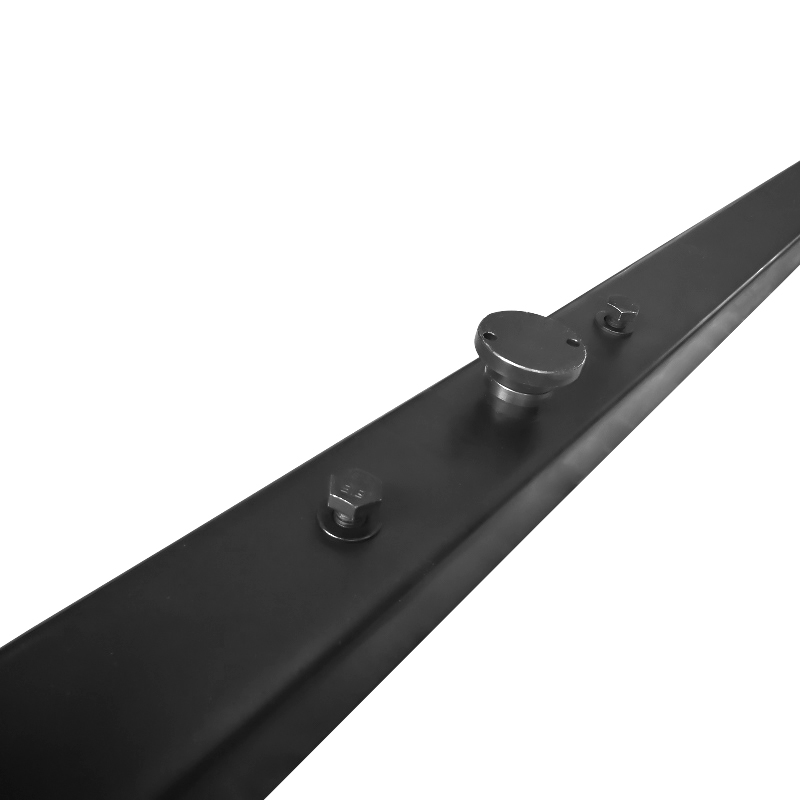
Bed material is only half the equation. The physical thickness of the casting table is equally critical. Magnets require enough metal mass to channel their immense power.
You can think of magnetic flux lines like water flowing through a pipe. A thin steel sheet acts like a very narrow pipe. It chokes the flow. The magnetic flux lines need sufficient material mass to travel through the table.
If the bed is too thin, it reaches magnetic saturation prematurely. The magnet cannot utilize its full strength. The excess magnetic field simply passes through the bottom of the table. You lose valuable adhesion power into the open air.
To prevent magnetic bleed-through, your beds must meet specific thickness thresholds. These thresholds scale with the strength of the magnet.
Light-duty magnets (450kg–600kg): You need a minimum 6mm to 8mm bed thickness. This ensures full saturation for smaller chamfer and block-out magnets.
Heavy-duty magnets (900kg–2100kg+): You need a minimum 10mm to 12mm bed thickness. Massive side-form magnets demand thick steel to absorb their full magnetic output.
Using a massive 2100kg magnet on a 5mm steel table is a critical engineering mistake. It will not yield 2100kg of force. The thin steel saturates instantly. You might only achieve 800kg of actual pull force. The excess magnetic field wastes your capacity and investment. You overpaid for strength you physically cannot use.
A thick, carbon steel table means nothing if the surface is uneven. Magnetic adhesion requires absolute flush contact. Any separation between the magnet base and the table creates an air gap.
Magnetic force does not degrade linearly. It follows an inverse-square relationship. Holding force drops drastically as the distance between the magnet bottom and the steel bed increases. Even a microscopic gap destroys performance.
Table: Estimated Impact of Air Gaps on Holding Force
Air Gap Size (mm) | Estimated Holding Force Loss (%) | Practical Consequence |
|---|---|---|
0.0 mm (Flush) | 0% | Maximum shear resistance; optimal safety. |
0.5 mm | 15% - 25% | Minor sliding risk under heavy vibration. |
1.0 mm | 30% - 50% | High risk of formwork blowout. |
3.0 mm | 70% - 85% | Total system failure; magnet easily dislodges. |
Inadequate daily bed cleaning poses a massive operational risk. Concrete splatter, laitance, and hardened slurry accumulate quickly. A 1mm gap caused by concrete splatter can reduce a magnet's holding capacity by up to 30-50%. You must scrape and brush the tables religiously. A clean table is a safe table.
Aging precast tables suffer from environmental degradation. Heavy surface pitting prevents flush contact. Rust layers act as non-magnetic insulators. If your table is heavily pitted, the magnet rests on tiny peaks of steel. It rocks back and forth. This bridging effect destroys the magnetic circuit.
You must establish realistic flatness tolerances for the casting bed surface. The table should not deviate more than 1mm over a 2-meter straight edge. This ensures the magnetic base engages seamlessly. It prevents rocking, bridging, and sudden shear failures during pouring.
Beyond the physical steel, environmental conditions dictate how well your systems perform. Liquids and heat drastically alter magnetic behavior.
Precast beds must be oiled to demold panels successfully. However, heavy pooling of release agents acts as a lubricant. You must understand the difference between vertical pull force and shear force.
Magnets are rated for vertical pull (lifting straight up). But precast formwork rarely lifts up. It fails in shear (sliding sideways). The formwork pushes outward against the magnet. Oil reduces the friction coefficient between the magnet and the bed.
This increases the risk of formwork sliding during high-frequency vibration. A well-oiled table might require a 2100kg magnet just to resist a lateral push of 400kg. Apply form oil in thin, even layers. Avoid thick puddles near the magnetic base.
Accelerated curing temperatures severely impact shuttering magnets. Many precast plants use steam or heated fluid bed curing to speed up production.
Standard neodymium magnets are highly sensitive to heat. They can lose temporary or permanent magnetic strength if bed temperatures exceed specific thresholds. Typically, this threshold is between 80°C and 100°C for standard N-grade magnets.
If your plant runs hot, you must adapt. We recommend procuring high-temperature resistant magnet grades (like M, H, or SH series neodymium). These specialized alloys survive heated curing beds without degrading over time.
Never buy a Magnetic Formwork System blindly. You must evaluate your existing infrastructure first. Production engineers should follow strict protocols.
Before issuing a purchase order, audit your tables. Production engineers must measure current bed thickness accurately.
Use an ultrasonic thickness gauge to check the steel depth.
Verify the specific steel grade from the original equipment manufacturer.
Assess average surface degradation. Look for heavy rust, pitting, and concrete buildup.
Map out the worst areas on your production floor.
Always request sample magnets for pilot testing. Advise your team to run a shear-force test on the worst functioning section of the casting bed. Do not just test the cleanest, newest table.
Testing the worst section establishes a realistic baseline. If the magnet holds firm on heavily pitted steel, it will perform flawlessly everywhere else. Apply horizontal load cells to measure exact sliding resistance during active vibration.
Use your audit data to create a decision framework. You might need to up-size your magnet strength. If the bed is pitted or slightly thin, compensating is crucial.
For example, if your engineering calculations require 900kg of force, do not buy a 900kg magnet for an older table. Procure a higher-rated magnet, such as a 1350kg unit. Buying stronger magnets acts as an engineering safety factor. It overcomes air gaps, oil lubrication, and minor steel imperfections.
A magnetic formwork system is only as reliable as the surface it attaches to. You cannot expect maximum performance on thin, dirty, or heavily alloyed casting tables. The physics of ferromagnetism demand thick, clean carbon steel to achieve optimal hold.
Surface preparation and bed maintenance are vastly cheaper than structural rework. Scraping laitance and controlling form oil application prevents panel blowouts. It ensures your concrete elements meet strict dimensional tolerances.
We prompt you to audit your casting tables today. Use the criteria outlined above before finalizing procurement specifications for new Shuttering Magnets. Measure your bed thickness, check for pitting, and understand your curing temperatures. Taking these steps guarantees a safer, more profitable precast operation.
A: No. Magnets require a ferromagnetic surface. Wooden beds require embedded steel plates or mechanically fastened steel rails to utilize magnetic systems.
A: Frequent mechanical brushing, using higher-capacity magnets to overcome the air-gap loss, or utilizing magnets with integrated friction-enhancing base plates.
A: Yes. High-frequency external table vibrators create severe lateral forces. If the bed is over-oiled or unlevel, higher-rated magnets are required to prevent shear sliding compared to internal poker vibration.
A: Yes, provided the ambient bed temperature remains strictly below the maximum operating temperature threshold of the specific neodymium assembly (usually 80°C for standard units).


