We are constantly trying to improve ourselves in new thoughts, new technology and new working methods.

Views: 0 Author: Site Editor Publish Time: 2026-01-22 Origin: Site


Magnets are everywhere in our daily lives. From powering electronics to lifting heavy objects, they are crucial in many industries. One type, the electromagnet, is especially versatile, with adjustable strength and widespread uses in modern technology.
In this guide, we will explore the different types of magnets, including permanent magnets, temporary magnets, and electromagnets. You'll also learn about their key applications in electronics, industry, and medicine. By the end, you'll have a better understanding of how magnets work and which type is best for your specific needs.
A magnet is an object that generates a magnetic field, which attracts or repels other materials. The fundamental properties of magnets include the presence of two poles (north and south), the ability to attract ferromagnetic materials, and the alignment in the north-south direction when freely suspended.
Magnets can be divided into two main categories:
● Natural magnets: Found in nature (e.g., lodestone).
● Artificial magnets: Created by humans through specific processes and materials, used widely in various industries.
Magnetic fields are invisible forces generated by materials like iron, nickel, cobalt, and rare-earth metals. Understanding these properties helps in choosing the right magnet for different applications.
Permanent magnets are materials that retain their magnetism indefinitely. They are made from materials that have a stable magnetic field due to the alignment of atomic structures. The strength of these magnets depends on their composition and size.
Type of Permanent Magnet | Properties | Common Applications |
Neodymium (NdFeB) | Strongest, compact | Motors, renewable energy, MRI machines |
Samarium Cobalt (SmCo) | Heat-resistant, corrosion-resistant | Aerospace, military applications |
Alnico | Stable at high temperatures | Sensors, microphones |
Ferrite | Cost-effective, corrosion-resistant | Household items, small motors |
These magnets are used in everything from the electronics in your smartphone to high-powered motors in wind turbines. Each type is chosen for its specific properties, ensuring maximum efficiency and durability in its respective application.
Temporary magnets are not inherently magnetic but can be magnetized in the presence of a magnetic field. They lose their magnetism once the external field is removed. Common examples include paper clips and iron nails. These materials are often used in electromagnets, where they are magnetized when exposed to electric currents.
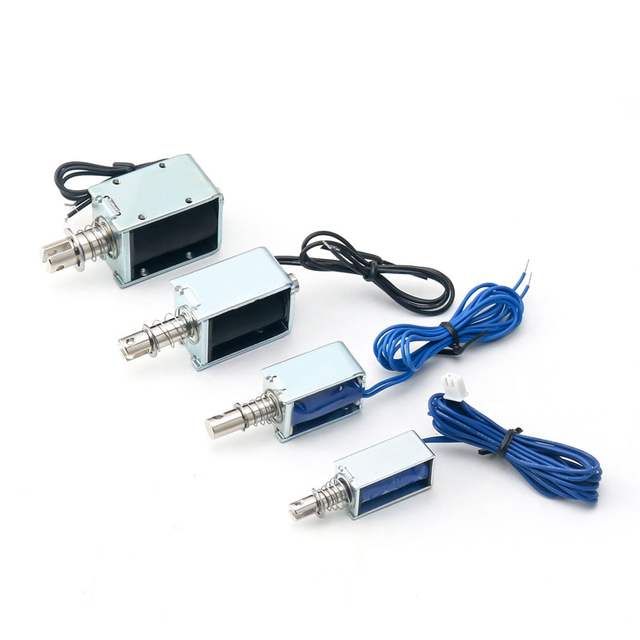
An electromagnet is a type of magnet that relies on an electric current to generate a magnetic field. Unlike permanent magnets, electromagnets can be turned on and off by controlling the electric current. The strength of an electromagnet can also be adjusted based on the current and the number of coil turns.
Applications of electromagnets are vast, including:
● Junkyard cranes: Electromagnets are used to lift and move scrap metal.
● MRI machines: In medical imaging, electromagnets create powerful magnetic fields for detailed scans.
● Electric motors: Electromagnets are used to generate motion in many types of motors, from small fans to large industrial machinery.
Ningbo Shine provides a range of electromagnets used in various industrial applications, including manufacturing, renewable energy, and automotive sectors. Their electromagnets are designed to deliver reliable performance in demanding environments.
Neodymium magnets, also known as NdFeB magnets, are made from an alloy of neodymium, iron, and boron. They are the strongest type of permanent magnet, providing high magnetic energy in a compact size. Common uses include:
● Motors: Small motors in electronics, hard drives, and electric vehicles.
● Renewable energy: Wind turbines and solar power systems.
● Magnetic therapy: Used in medical treatments for pain relief.
Neodymium magnets are essential in many advanced applications, where strength-to-size ratio is crucial. Their use in renewable energy systems, such as wind turbines, supports the global push towards sustainable energy.
Samarium cobalt magnets are rare-earth magnets that offer excellent magnetic properties even at high temperatures. Their resistance to corrosion makes them ideal for:
● Aerospace: High-performance motors and actuators.
● Military applications: Precision devices that require high stability.
● High-temperature environments: Automotive sensors and high-performance equipment.
Samarium cobalt magnets are often used in environments where durability and heat resistance are critical, particularly in aerospace and military technologies.
Alnico magnets, made from aluminum, nickel, and cobalt, are known for their temperature stability and ability to retain their magnetism over time. They are often used in:
● Sensors: Used in harsh environments like automotive and industrial equipment.
● Microphones and loudspeakers: Alnico’s strong magnetic properties help improve sound quality.
Alnico magnets remain popular for use in microphones, sensors, and other devices where a stable magnetic field is needed across a wide temperature range.
Ferrite magnets are a type of ceramic magnet made from iron oxide and other metal oxides. They are cost-effective and resistant to corrosion, making them widely used in:
● Household appliances: Fridge magnets, small motors, and speakers.
● Electric motors: Cost-effective solution for small motors in toys and electronics.
Ferrite magnets are ideal for low-cost applications where high performance is not the primary concern.
Magnet Type | Key Features | Common Uses |
Neodymium | Strongest, compact, high energy | Motors, renewable energy, therapy |
Samarium Cobalt | Heat-resistant, corrosion-resistant | Aerospace, military, sensors |
Alnico | Temperature stable, long-lasting | Sensors, microphones, loudspeakers |
Ferrite | Cost-effective, corrosion-resistant | Household items, small motors |
Electromagnets differ from permanent magnets in that they require an electric current to generate a magnetic field. This dependence on electricity allows electromagnets to have adjustable strength, making them highly versatile. When the electric current is turned off, the magnetism disappears, unlike permanent magnets which retain their magnetic properties indefinitely.
The ability to adjust the strength of electromagnets makes them suitable for applications that require variable magnetic fields, such as motors and industrial equipment.
Electromagnets are typically made by wrapping a wire (usually copper) around a core material, such as iron or steel. When an electric current passes through the wire, a magnetic field is generated around the coil. The strength of the electromagnet depends on:
● The amount of current passing through the wire.
● The number of wire coils around the core.
● The material of the core.
The core material, usually ferromagnetic, amplifies the magnetic field, making the electromagnet much stronger than a coil of wire alone.
Electromagnets have a wide range of applications across various industries due to their ability to control the magnetic field through electric current. Here are some key areas where electromagnets are used:
Application | Description |
Industrial Lifting | Electromagnets are used in scrap yards to lift large metal objects, providing a safe and efficient way to handle heavy materials. |
Medical Imaging | MRI machines use electromagnets to generate powerful magnetic fields, allowing for non-invasive imaging of internal body structures. |
Electric Motors | Electromagnets play a critical role in electric motors used in various industries, including manufacturing and renewable energy systems. |
These applications highlight the versatility of electromagnets, making them indispensable in modern technology and industry.
Ningbo Shine’s electromagnets are integral to many industries, providing solutions that ensure reliable performance and efficiency. Their electromagnets help meet the demands of industries like manufacturing, automotive, and renewable energy.
Ferromagnetic materials, such as iron, nickel, and cobalt, are strongly attracted to magnetic fields. This property is what allows permanent magnets to retain their magnetic properties.
● Paramagnetism: Materials like aluminum and platinum are weakly attracted to magnetic fields. These materials do not retain their magnetism once the external field is removed.
● Diamagnetism: Materials like copper and beryllium are weakly repelled by magnetic fields. These materials do not become magnetized but instead resist the magnetic force.
Superparamagnetic materials have properties that fall between ferromagnetism and paramagnetism. These materials exhibit strong magnetism when exposed to a field but lose it once the field is removed. This property is often observed in very small magnetic particles, where the magnetic domains behave as if they were single domains, making them highly sensitive.
The strength of a magnet is generally measured by its magnetic field intensity or energy product. While permanent magnets, such as Neodymium, are known for their strong and stable magnetic fields, electromagnets offer the advantage of adjustable strength, which makes them highly versatile for different applications.
Magnet Type | Strength Characteristics | Key Advantage |
Permanent Magnets | Strong and stable magnetic field for a given size | Typically stronger in field strength for a given size |
Electromagnets | Adjustable strength based on electric current and coil turns | Can be turned on/off and adjusted for different applications, offering flexibility |
This comparison highlights the key differences between permanent and electromagnets, emphasizing the unique flexibility of electromagnets.
The cost of magnets can vary depending on the material and the manufacturing process. Permanent magnets, especially rare-earth types like neodymium, tend to be more expensive due to the rarity and cost of the materials involved. Electromagnets, on the other hand, are more cost-effective in applications where adjustable strength is needed.
The pricing of electromagnets depends on factors like the complexity of the coil, the core material, and the required strength.

Magnets are crucial in electronics, powering everything from hard drives to speakers. Neodymium magnets are particularly popular for their compact size and strong magnetic properties, which make them ideal for small devices. These magnets are also used in magnetic resonance imaging (MRI) and other diagnostic tools, enabling detailed imaging in medical procedures. Their strength and versatility make them indispensable in the world of electronics.
In industrial settings, magnets are used in electric motors, magnetic separation, and magnetic lifting. They are key components in machines that require powerful and reliable magnetic fields. Electromagnets are especially useful in situations requiring the ability to turn the magnetic field on and off, such as in material handling and metal sorting. Their flexibility makes them essential in automated industrial processes across various sectors.
In the medical field, MRI machines use powerful magnetic fields generated by electromagnets to provide detailed imaging of the human body. These machines help doctors examine organs and tissues in a non-invasive way. Electromagnets are essential for generating and controlling these magnetic fields, allowing for accurate imaging and diagnostic results. They also play a role in other medical tools, such as magnetic therapy devices for pain relief.
Application Area | Key Uses |
Electronics | Hard drives, speakers, MRI machines |
Industry & Engineering | Electric motors, magnetic separation, lifting |
Medicine | MRI imaging, diagnostic tools |
Understanding the different types of magnets and their applications is essential for businesses to make informed decisions. From permanent magnets to electromagnets, each type offers unique benefits. Ningbo Shine Magnetic Technology Co., Ltd. leads the way in providing high-performance magnetic solutions, ensuring clients benefit from innovative products that serve various industrial needs. Their products, including Neodymium and electromagnets, deliver exceptional value across industries.
A: An electromagnet is a type of magnet created by passing an electric current through a coil of wire, typically wrapped around a metal core. The strength of an electromagnet can be controlled by adjusting the current, making it highly versatile for various applications.
A: Permanent magnets generate a magnetic field due to the alignment of their atomic structures. Unlike electromagnets, they retain their magnetism without requiring an external power source. Examples include Neodymium and Ferrite magnets.
A: Electromagnets are used in various industries, including in MRI machines, electric motors, and industrial lifting equipment. Their ability to be turned on and off and adjusted in strength makes them ideal for these applications.
A: Permanent magnets have a stable magnetic field that does not require an external power source, while electromagnets require electric current to generate a magnetic field, which can be turned on or off and adjusted in strength.
A: Electromagnets tend to be more expensive due to the materials needed to create the coil and the required power source. However, they offer flexibility and control that permanent magnets cannot provide.
A: Electromagnets are used in MRI machines because they can generate strong magnetic fields, which are crucial for obtaining high-resolution images of internal body structures. Their adjustable field strength is essential for precise imaging.


