We are constantly trying to improve ourselves in new thoughts, new technology and new working methods.

Views: 0 Author: Site Editor Publish Time: 2026-07-14 Origin: Site


Unmanaged ferrous debris is far more than a minor nuisance on the job. Left unchecked, stray nails, metal shavings, and jagged scrap become a measurable liability driving up vehicle maintenance costs and severe Health, Safety, and Environment (HSE) risks. We know the frustration of standard manual cleanup methods. Workers spend hours hunched over, struggling to detach sharp shards from a basic magnet, which often creates specific operational bottlenecks. Upgrading to a modern Magnetic Sweeper shifts scrap management from a hazardous, labor-intensive chore to a highly efficient, repeatable Standard Operating Procedure (SOP). You will learn how these specialized tools protect both personnel and expensive equipment. We will explore the hidden costs of poor debris management, compare manual models against self-cleaning upgrades, and guide you through selecting the exact specifications your terrain requires.
Self-cleaning mechanisms eliminate the secondary injury risk of manually stripping sharp debris from a magnetized surface.
The primary ROI of a magnetic sweeper is measured in avoided equipment downtime (prevented tire punctures on skid steers, trucks, and forklifts).
Selecting the right sweeper requires matching wheel type, ground clearance, and magnet strength to the specific terrain (smooth workshop floors vs. uneven construction sites).
A self clean magnetic sweeper reduces scrap disposal time by up to 80% compared to traditional models, driving immediate labor savings.
You cannot ignore the hidden financial drain caused by loose metal debris. Vehicle and equipment downtime represents the most severe financial impact on any active worksite. A single roofing nail can puncture a heavy-duty skid steer tire in seconds. You instantly face exorbitant replacement costs for specialized industrial rubber. You also lose highly valuable active working hours while the machine sits idle. Project delays cascade down your schedule, frustrating clients and hurting your bottom line. Securing transit paths for trucks and forklifts is not optional. It is a critical operational requirement.
HSE and compliance risks add another layer of liability to unmanaged scrap. Workers navigating a cluttered site face constant physical danger. Stepping on hidden nails causes immediate, painful puncture wounds. Handling raw scrap manually invites deep lacerations and dangerous infections. Strict safety protocols mandate clean workspaces to prevent these entirely avoidable injuries. Failing to maintain a debris-free zone exposes you to significant compliance fines and elevated insurance premiums.
Furthermore, we must address the intense labor drain of manual sweeping. Broom-and-dustpan methods fail completely against scattered metal debris. A worker pushing a standard broom over rough concrete often misses tiny shavings. They spend hours attempting a task that remains fundamentally incomplete. Even traditional manual-release magnets force workers into tedious, physically demanding cleaning cycles. Upgrading to mechanized sweeping reclaims these wasted labor hours. It redirects your workforce toward productive, revenue-generating tasks.
Standard magnets create a notorious and frustrating debris transfer bottleneck. They collect metal perfectly well off the floor. However, they refuse to let go of their payload easily. Workers must stop their sweep and put on heavy leather protective gloves. They bend down and forcefully yank tightly adhered metal off the sweeping surface. This manual detachment phase wastes valuable production time. It also risks severe hand lacerations, even when operators wear heavy-duty gloves.
The solution lies in specialized engineering. A modern Self Clean Magnetic Sweeper uses an intuitive internal load-release design. We typically see a lever-operated mechanism housed within a durable aluminum body. The operator simply pulls an ergonomic handle located near the grip. This action physically lifts the internal magnet away from the bottom tray. The magnetic field drops instantly, and the gathered metal detaches completely in less than a second.
This simple mechanism drives immense efficiency gains across your entire operation. You achieve seamless, quick-release dumping directly into scrap bins. Operators position the unit over a recycling hopper, pull the lever, and watch the debris fall away. They never touch the hazardous material with their hands. Workflow remains completely uninterrupted. This rapid disposal cycle encourages workers to sweep more frequently, ultimately maintaining a significantly safer environment.
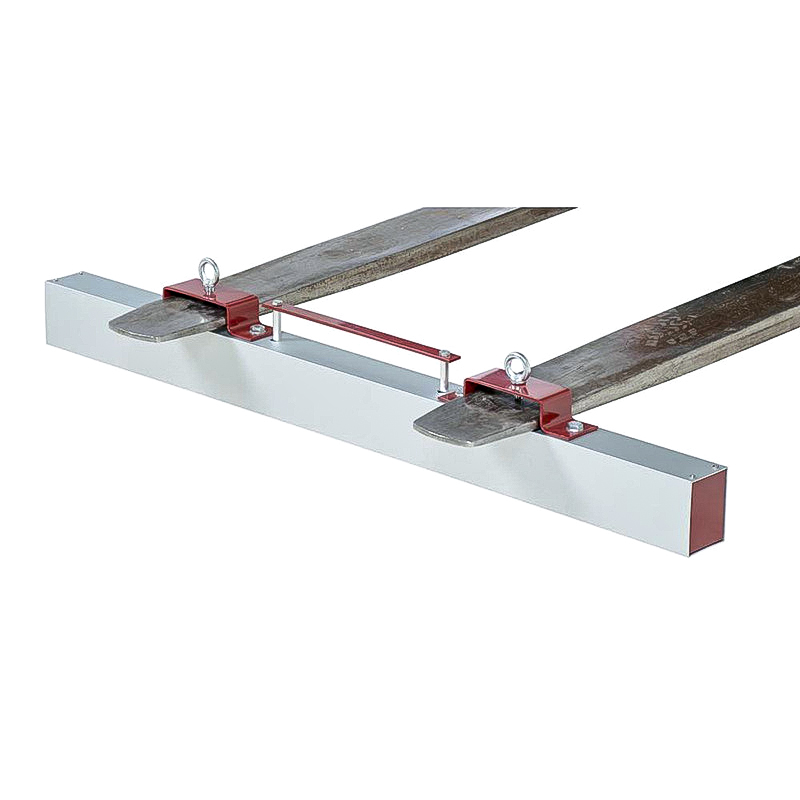
Different environments demand unique approaches to debris management. Manufacturing workshops face entirely different challenges compared to rugged outdoor construction sites. Understanding these site-specific benefits helps you maximize your investment.
In manufacturing workshops and fabrication facilities, the focus heavily targets high-frequency, small-debris clearing. CNC machines constantly drop fine metal shavings. Assembly lines scatter dropped fasteners and tiny metal cutoffs. Utilizing a sweeper here heavily protects smooth epoxy or sealed concrete floors. It prevents operators from grinding sharp metal into the surface, which causes permanent scratching and unsightly rust stains. Furthermore, consistent sweeping prevents Foreign Object Debris (FOD) from entering delicate, high-value machinery. Clean floors mean safer movement for precision operations.
Active construction sites and scrap yards require a much more robust approach. The focus shifts toward high-impact, hidden debris scattered across rough terrain. You frequently encounter roofing nails hidden in loose gravel. Dirt paths often conceal dangerous rebar offcuts and heavy bolts. Using a heavy-duty sweeper secures high-traffic transit paths for delivery trucks and heavy machinery. It drastically reduces tire blowouts on uneven ground. Finally, it ensures impeccably clean handovers post-project, leaving clients highly satisfied with your professionalism.
Debris Management: Workshop vs. Construction Site | |||
Environment | Primary Focus | Key Benefit | Typical Debris |
|---|---|---|---|
Manufacturing Workshops | High-frequency, small-debris clearing | Protects epoxy floors; prevents FOD in machinery | Metal shavings, swarf, small screws, dropped fasteners |
Construction Sites | High-impact, hidden debris in rough terrain | Secures transit paths; ensures clean project handovers | Roofing nails, heavy bolts, rebar offcuts, structural scrap |
Selecting the ideal unit requires careful evaluation of several critical technical specifications. You must align the tool's capabilities with your daily operational realities.
Lifting power and ground clearance share a crucial inverse relationship. Higher ground clearance requires an exponentially stronger pull force. A magnet rated for 50 pounds of pull behaves very differently at varying heights. At a 1-inch clearance, it snatches heavy bolts effortlessly. At a 3-inch clearance, it might struggle to lift a simple roofing nail from gravel. You must set baseline expectations based on your typical terrain height.
Chart: Estimated Pull Strength Dynamics | ||
Ground Clearance | Magnetic Field Effectiveness | Best Application |
|---|---|---|
0.5 - 1.0 inches | Maximum pull (picks up heavy tools/bolts) | Smooth workshop floors, flat concrete |
1.5 - 2.0 inches | Moderate pull (picks up nails, medium scrap) | Packed dirt, light gravel, uneven asphalt |
3.0+ inches | Weak pull (requires extreme magnet strength) | Deep grass, heavy mud, rocky terrain |
Terrain directly dictates your wheel selection. You cannot ignore this factor if you want smooth operation.
Hard rubber or polyurethane casters: These remain ideal for smooth workshop floors. They glide easily over concrete and avoid collecting metal shavings in the wheel housing.
Large pneumatic tires (8 inches or larger): These are strictly mandatory for gravel, dirt, and uneven construction topographies. They absorb shocks and maintain a consistent sweep height over bumps.
Consider sweep width for operational scalability. Narrow widths around 18 to 24 inches fit perfectly down tight workshop aisles and between crowded machinery. Wide profiles spanning 36 to 72 inches cover expansive construction staging areas efficiently. You might even consider a tow-behind model if your site covers multiple acres.
Finally, inspect the release lever durability. You must prioritize heavy-duty, load-bearing aluminum or solid steel components in the release mechanism. Cheap plastic levers become the very first point of failure under rigorous industrial conditions. A broken lever renders the self-cleaning feature completely useless.
Deploying these tools effectively requires understanding their physical limitations. First, operators must recognize the crucial "Speed Limit" factor. You cannot push these sweepers at a full running sprint. Operating at a controlled, deliberate walking pace remains strictly required. The magnetic field needs sufficient dwell time to interact with and effectively capture embedded debris. Moving too fast causes the magnet to skip over heavy objects entirely.
You must also set realistic expectations regarding deep substrate limitations. Gravel and mud present significant physical challenges. The sweeper easily captures surface and near-surface metal. It will not, however, pull a heavy rusted bolt buried beneath two inches of compacted wet mud. The physical barrier of dense soil overpowers the magnetic pull. You may need to grade the surface before performing a final sweep.
Maintaining the equipment ensures long-term reliability. Implement these straightforward maintenance best practices:
Check pneumatic tire pressure weekly. Under-inflated tires lower the chassis, causing the unit to scrape the ground and damage the housing.
Keep the internal release housing free of non-magnetic grit. Sand and hardened mud easily jam the internal hinges.
Lubricate the lever pivot points monthly. This guarantees the drop-release action remains smooth and requires minimal physical effort.
Wipe down the aluminum shell periodically. Removing built-up grime prevents corrosion in highly abrasive environments.
Upgrading your debris management strategy delivers immediate and tangible returns. These tools serve as a highly effective preventative insurance policy against costly tire damage and severe worker injury. By completely removing the manual detachment phase, you reclaim hundreds of lost labor hours annually. Furthermore, you protect your valuable facility floors from permanent metal scratching.
Audit your primary operational terrain carefully before making a purchase. Decide whether you operate mostly indoors on smooth concrete or outdoors on uneven gravel.
Identify your most common debris size to determine the necessary ground clearance and pull strength required for your daily operations.
Select a sweep width that balances broad coverage with the maneuverability needed for your specific facility layout.
Review specific product specifications and compare pull-strength charts to ensure you purchase a robust, industrial-grade unit. Reach out to specialists for bulk or tow-behind orders tailored to massive job sites.
A: No, it strictly captures ferrous metals only. Materials like iron, steel, and most types of stainless steel respond well. Aluminum, brass, copper, and precious metals lack the necessary magnetic properties and will remain on the ground.
A: Yes, provided you select an industrial model. Quality units feature heavy-duty aluminum housings and sealed internal magnets that offer excellent rust resistance. Always wipe down the housing after use in wet environments to prevent hinge corrosion.
A: You must balance obstacle avoidance with optimal pull strength. For smooth concrete, set the clearance between 0.5 to 1 inch. For uneven gravel or packed dirt, raise it to 1.5 to 2 inches to avoid dragging, though this slightly reduces the lifting power.
A: A push-model works best for areas under 10,000 square feet or tight staging zones. For anything larger, or for expansive dirt lots and roadways, upgrading to a tow-behind model attached to a truck or ATV dramatically increases clearing speed.


