We are constantly trying to improve ourselves in new thoughts, new technology and new working methods.

Views: 0 Author: Site Editor Publish Time: 2026-08-28 Origin: Site


Formwork setup often acts as the primary bottleneck in precast concrete production cycles. This single operational phase directly impacts daily throughput, limiting how much product a factory can output. For decades, precast plants relied heavily on destructive fastening methods like welding or drilling to secure forms. These traditional techniques degrade expensive steel casting beds over time and consume excessive, costly labor hours. Today, non-destructive magnetic systems offer a cleaner, highly efficient alternative. By replacing mechanical bolts and permanent welds, these modern tools instantly transform factory floor dynamics.
We will explore exactly how these magnetic clamping solutions accelerate line changeovers and reduce physical labor demands. You will also learn the core technical criteria necessary for evaluating and integrating these advanced systems into your current production environment. Expect a clinical, detailed breakdown of mechanical benefits, daily maintenance protocols, and practical adoption strategies. Plant managers and engineers can use this guide to streamline workflows and modernize operations.
Time Reduction: Magnetic systems eliminate drilling, welding, and patching, cutting formwork setup time by up to 70%.
Asset Preservation: Non-destructive push-button engagement extends the lifespan of expensive steel casting beds.
ROI Metrics: Upfront capital expenditure is typically offset by labor savings and increased casting cycles per week.
Evaluation Criteria: Correct sizing (pull force vs. shear resistance) and maintenance protocols are critical to preventing system failure.
Precast factories measure operational success through strict casting bed utilization rates. Every idle hour on the casting table significantly reduces overall profit margins. Labor hours per cubic meter of concrete also clearly define a factory's true efficiency. Traditional formwork setup creates massive friction in this production equation. Workers spend countless hours measuring precise chalk lines, drilling pilot holes into solid steel, and sinking heavy mechanical bolts. After the concrete cures, teams must then painstakingly patch the damaged steel beds. This destructive cycle creates massive, unavoidable delays.
These traditional methodologies carry heavy hidden financial burdens. Consumable hardware costs quickly add up over several months of continuous production. Constant drilling and heavy bolting also cause severe physical worker fatigue. This fatigue directly slows down afternoon production shifts and increases the risk of workplace injuries. Furthermore, continuous bed degradation ruins the final product finish.
Uneven, scarred casting surfaces eventually force plant managers to replace entire steel casting beds prematurely. We see this recurring problem across the global precast sector. Upgrading your fixing methodology directly addresses these historical bottlenecks. Factory leaders must view formwork fastening not as a minor task, but as a critical path operation dictating daily capacity.
When comparing fixing methods, a Building Shuttering Magnet offers distinct advantages in initial positioning. Production workers can place the unit on the table and make rapid micro-adjustments easily. The magnetic field remains inactive during this crucial placement phase. Permanent pilot holes completely lack this flexibility. Once you drill a hole, the formwork position becomes rigidly fixed. If a worker miscalculates a dimension by two millimeters, they must drill an entirely new hole.
Activation speed dramatically separates these two competing methods. Pressing a magnetic engagement button takes less than three seconds. Conversely, drilling and sinking mechanical anchors requires several minutes per fixing point. Spread across a large casting bed requiring fifty connection points, the time difference becomes staggering.
Stripping and demolding also happen significantly faster. Specialized release levers instantly disengage the internal magnetic circuit. Workers simply pry the button upward to release the heavy clamp. This smooth action immediately frees the formwork, heavily accelerating the entire demolding phase. You bypass the tedious process of unbolting rusted threads or grinding off temporary spot welds.
Table 1: Time-Motion Comparison of Fixing Methods
Process Step | Screw Fixing / Welding | Magnetic System |
|---|---|---|
Initial Positioning | Rigid, permanent placement | Flexible, easy micro-adjustments |
Engagement Time | 3-5 minutes per anchor point | 2-3 seconds per button press |
Demolding Process | Unbolting, grinding spot welds | Instant specialized lever disengagement |
Post-Cast Bed Repair | Patching and heavy grinding required | Zero surface damage incurred |
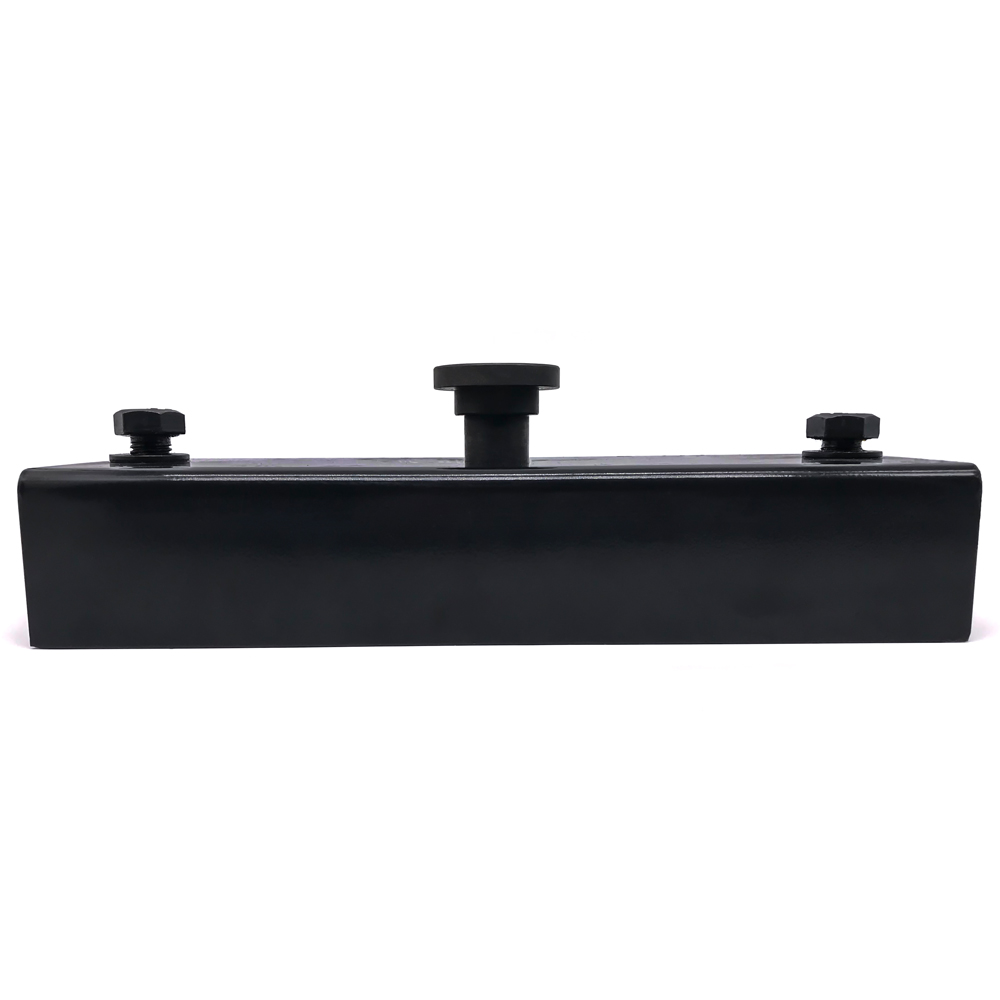
The engineering secret behind these systems lies directly within switchable magnetic circuits. Internally, they utilize a dense array of NdFeB (Neodymium Iron Boron) magnets. When a factory worker pushes the activation button down, the internal mechanism forces the magnetic array flush against the steel bed. This precise movement directs high-density pull force straight downward. Lifting the button raises the array away from the surface, instantly neutralizing the magnetic flux field.
These robust units act as highly modular clamping tools on the production floor. You can easily integrate them into existing timber, steel, or extruded aluminum rails. Custom adapters bridge the physical gap between the magnet housing and the specific formwork profile. This integrated, modular approach heavily simplifies plant equipment upgrades. You do not need to discard your existing formwork inventory.
We must also closely examine vertical shear resistance. High-frequency table vibration and heavy concrete pouring create intense lateral forces against the forms. A strong downward magnetic pull force translates directly into high horizontal friction against the steel bed. This critical friction prevents the formwork from sliding out of place during an aggressive pour. Understanding this mechanical relationship ensures dimensional accuracy in your final precast concrete elements.
Adopting robust Shuttering Magnets requires carefully matching technical specifications to your unique production realities. First, you must map the required pull force to your specific casting application. A 450kg unit easily handles lightweight formwork used for thin partition wall panels. A 900kg model suits standard floor slabs and moderate structural elements. Heavy structural bridge beams require robust 2100kg capacity units to resist severe vibration frequencies.
Outer housing material heavily impacts long-term tool durability. Carbon steel casings remain highly cost-effective for dry, controlled indoor environments. However, they require strict, daily rust prevention routines. Stainless steel casings demand a higher upfront investment from purchasing departments. Yet, they consistently provide superior longevity in harsh, highly acidic wet precast environments.
Adapter compatibility represents another crucial engineering evaluation step. Always carefully verify thread sizes and mechanical connection points before purchasing. They must align perfectly with your factory's existing structural formwork profiles. Mismatched mechanical adapters lead directly to unstable forms and disastrous wet concrete blowouts.
Select stainless steel housings if your plant regularly utilizes acidic concrete release agents.
Over-spec the required pull force by roughly 20% to account for extreme vibration intensity.
Request detailed dimensional drawings to confirm adapter fitment before ordering bulk quantities.
Ignoring adapter thread compatibility during the initial procurement phase.
Deploying lightweight 450kg magnets on heavy beam forms, causing dangerous lateral sliding.
Assuming higher pull force automatically compensates for poorly maintained, uneven casting beds.
Every precast factory faces distinct operational implementation challenges. Concrete ingress remains the primary, most common risk for these sensitive devices. Wet concrete slurry easily seeps into unprotected or poorly maintained housings. Once inside the shell, it hardens rapidly and permanently jams the internal push-button mechanism. This scenario leads to complete system failure and expensive tool replacement.
You must establish strict, non-negotiable mitigation protocols. Standard operating procedures should explicitly include routine oiling of the moving mechanical parts. Workers must perform immediate, thorough post-cast cleaning operations. Never allow floor staff to strike the magnetic housing directly with heavy steel hammers. This aggressive impact shatters the brittle internal neodymium array instantly.
Worker adoption ultimately dictates overall project success. Floor staff need proper, hands-on training regarding specialized lever usage. Improper prying heavily damages the delicate release mechanisms over time. Changing operator habits requires patient supervision.
Wipe down the entire exterior casing immediately after concluding the demolding phase.
Apply a light coat of anti-corrosion industrial oil to the push-button mechanism weekly.
Store the units securely in a dry location away from direct ground moisture.
Inspect the bottom magnetic contact surface for tiny dried concrete chunks daily.
Scrape away any bottom debris carefully to ensure maximum magnetic contact area.
Production managers should always conduct a strict, limited-run pilot test. Execute this crucial step before committing to a costly plant-wide equipment rollout. Test the newly acquired system on a single, isolated casting bed for two full weeks. Measure the exact labor hours saved during both setup and demolding phases. This controlled trial provides accurate, real-world data for executive leadership teams.
Evaluate the initial investment by projecting total labor reduction over a complete fiscal year. Calculate the exact savings generated from eliminating consumable hardware like drill bits and specialized anchors. You will likely see the initial capital outlay returned surprisingly quickly through vastly increased weekly casting cycles.
Rigorous vendor due diligence ensures long-term operational reliability. Shortlist suppliers who consistently provide documented, third-party pull-force testing certificates. Ask detailed questions about specific warranty terms regarding the internal magnetic arrays. Ensure they keep essential replacement parts, like release buttons and tension springs, readily available. Reliable vendors act as strategic partners in your ongoing factory efficiency upgrades.
Magnetic clamping tools function as highly critical process-optimizing assets in the modern manufacturing era. They do far more than just fasten steel formwork to a casting bed. They fundamentally streamline daily operations, aggressively protect your expensive steel assets, and heavily boost overall production capacity.
Realizing these massive, plant-wide time-saving benefits requires structural discipline. You must pair the correct technical specifications with rigorous, daily maintenance routines. Ignoring either vital element inevitably leads to severely reduced efficiency and shortened tool lifespans.
Take decisive action today to modernize your aging precast plant. Download a comprehensive technical specification sheet from a trusted industry supplier. Calculate your projected operational labor savings based closely on current setup times. Request a detailed technical consultation to match precise magnet capacities directly with your specific daily casting requirements.
A: A well-maintained unit typically lasts between three to five years. Lifespan depends heavily on casing material, daily maintenance frequency, and operational handling. Stainless steel models last considerably longer in wet environments. Avoiding direct hammer strikes on the casing prevents internal neodymium shattering, significantly extending the tool's usable life on the floor.
A: Use a stiff wire brush and a damp cloth to remove wet concrete immediately after demolding. Never use high-heat blowtorches to burn off hardened concrete. Temperatures above 80°C permanently degrade neodymium magnets. Avoid highly corrosive acidic chemicals, as they rapidly eat away at the protective carbon steel casing.
A: No. These advanced devices rely entirely on a closed magnetic circuit to generate pull force. They strictly require a thick, solid ferromagnetic surface to function properly. Wooden casting beds offer zero magnetic attraction. Factories using timber beds must upgrade to heavy steel pallets to implement these fast-clamping systems.
A: Required pull force correlates directly with concrete hydrostatic pressure and applied vibration intensity. Taller formwork panels generate much higher lateral pressure during pouring. High-frequency vibrators dramatically increase the risk of formwork sliding. Generally, calculate the lateral force exerted by the wet concrete, and select a unit with vertical shear resistance exceeding that specific force.


