We are constantly trying to improve ourselves in new thoughts, new technology and new working methods.

Views: 0 Author: Site Editor Publish Time: 2026-01-29 Origin: Site


Electromagnets are essential in modern technology, offering adjustable magnetic fields that can be controlled. Unlike permanent magnets, they only activate with an electric current. This makes them highly versatile, powering everything from household appliances to advanced machinery.
In this article, we'll explore 10 key uses of electromagnets, highlighting their role across various industries. You'll discover how electromagnets are integrated into everyday devices and complex systems, with companies like Ningbo Shine providing high-performance solutions to boost efficiency and innovation.
Electric motors and generators are among the most well-known applications of electromagnets. In motors, electromagnets convert electrical energy into mechanical motion. When an electric current passes through a coil wound around a metal core, the resulting magnetic field interacts with a fixed permanent magnet, creating motion. This is the basic principle behind the operation of many everyday appliances, such as washing machines, fans, and electric vehicles (EVs).
In generators, electromagnets perform the reverse operation. Mechanical energy is converted into electrical energy by rotating a coil within a magnetic field, generating an electric current. Ningbo Shine provides electromagnets that power these systems, contributing to energy-efficient motor and generator solutions.
● Electric Motors: Used in appliances like vacuum cleaners, electric drills, and fans.
● Generators: Essential in power plants and renewable energy systems.
Application | Description | Example Devices |
Electric Motors | Converts electrical energy into mechanical motion | Fans, electric drills, air conditioners |
Generators | Converts mechanical energy into electrical energy | Power plants, wind turbines, backup power generators |
MRI (Magnetic Resonance Imaging) machines rely on electromagnets to create powerful magnetic fields for high-quality imaging of soft tissues in the human body. These strong fields interact with hydrogen atoms, generating signals that are converted into detailed images of organs, muscles, and bones. Unlike other imaging techniques, MRI is non-invasive and does not use harmful radiation, making it a preferred choice for medical professionals.
Feature | Description |
Magnetic Field | Generates strong magnetic fields to interact with hydrogen atoms |
Image Resolution | Provides high-resolution images of organs, muscles, and bones |
Non-invasive | No harmful radiation involved, unlike other imaging methods |
Energy Efficiency | Superconducting electromagnets reduce energy consumption |
Medical Application | Widely used for accurate medical diagnostics in healthcare settings |
The use of superconducting electromagnets in MRI machines allows for extremely strong magnetic fields while reducing energy consumption, enhancing both performance and efficiency. Companies like Ningbo Shine supply the electromagnets used in these systems, supporting the medical industry in providing accurate diagnostics.
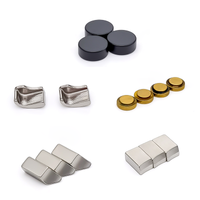
Electromagnets are crucial components in audio devices, such as loudspeakers and headphones. In these devices, an electromagnet interacts with a voice coil to convert electrical signals into sound waves. When an electrical signal passes through the voice coil, it creates a magnetic field that moves a diaphragm, producing sound.
Electromagnets are used in speakers ranging from small portable models to large, high-fidelity home systems. In headphones, electromagnets help create clear and crisp audio by converting electronic signals into sound.
Examples of Applications:
● Speakers: Used in home audio systems, theaters, and professional sound systems.
● Headphones: Found in personal audio devices, studio headphones, and earphones.
Electromagnets are crucial components in data storage technology, especially in hard disk drives (HDDs). They are used to read and write data by moving a read/write head across rotating platters. The head magnetizes specific areas on the disk, allowing binary data to be stored, retrieved, and transferred. Although newer technologies like solid-state drives (SSDs) are becoming more common, electromagnets remain essential for many data storage systems. Additionally, older technologies such as VCRs and tape recorders also rely on electromagnets for storing and reading audio-visual content.
Key Applications of Electromagnets in Data Storage:
● HDDs: Electromagnets move the read/write head to magnetize disk areas, enabling data storage and retrieval.
● Solid-State Drives (SSDs): While SSDs use different technology, electromagnets are still used for data management and certain processing tasks.
● VCRs & Tape Recorders: Electromagnets help store and read audio-visual content on magnetic tapes.
● Data Transfer: Electromagnets enable the efficient movement and transfer of data across storage devices.
In industrial settings, electromagnets are used for lifting and moving large metal objects. Cranes equipped with electromagnets allow workers to efficiently move scrap metal in scrapyards. The ability to turn the magnetic field on and off with a simple switch makes electromagnets incredibly useful for moving large and heavy materials quickly and safely.
Electromagnets also aid in recycling processes, where they help separate ferrous metals from other materials. Ningbo Shine provides electromagnets used in industrial lifting, offering high-quality magnetic solutions that improve operational efficiency and safety.
Application | Description | Industry |
Industrial Lifting | Lifts heavy ferrous metals | Scrap yards, recycling plants |
Metal Sorting | Separates ferrous metals from non-ferrous | Recycling, manufacturing |
Magnetic locks, commonly used in access control systems, secure doors, gates, and entry points by generating a magnetic field. This field either locks or unlocks a door based on whether the electromagnet is activated. The simplicity of this system makes it a reliable solution for both residential and business environments.
One of the main advantages of magnetic locks is their durability. Unlike mechanical locks, they have no moving parts, reducing wear and tear and requiring less maintenance over time. This makes them more reliable in high-traffic areas, such as office buildings or commercial spaces.
Additionally, magnetic locks can be remotely controlled, which enhances their convenience. This feature allows for easy integration into modern security systems, where access can be granted or restricted from a distance. Magnetic locks can also be paired with electronic keypads, biometric scanners, or even smartphones, making them a flexible and secure choice for managing access.
The combination of durability, low maintenance, and remote control functionality has made magnetic locks an essential component in securing properties and controlling access to restricted areas.
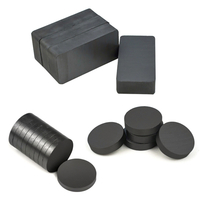
Maglev (magnetic levitation) trains are revolutionizing transportation by using electromagnets to levitate above tracks. This eliminates friction, allowing trains to travel at incredible speeds. By using both lifting and propulsion forces from electromagnets, Maglev trains can reach speeds of over 300 mph (500 km/h), offering a more efficient and faster alternative to traditional rail systems.
The key benefit of this technology is reduced friction, which leads to lower energy consumption and reduced maintenance costs over time. As more cities and countries explore Maglev technology, electromagnets will continue to be a driving force behind the transportation revolution.
Benefit | Impact |
Reduced Friction | Lower energy consumption |
High-Speed Travel | Faster transportation |
Induction cooktops use electromagnets to directly heat cookware via electromagnetic induction. When an electric current flows through the coil beneath the cooktop's surface, it generates a magnetic field. This magnetic field induces an electric current in the cookware, which causes it to heat up directly.
Induction cooking is faster and more energy-efficient compared to traditional methods, as it directly heats the cookware rather than the cooking surface. This allows for precise temperature control and reduces energy waste. Additionally, induction cooktops offer safety features, such as the cooktop staying cool while cooking, reducing the risk of burns.
Key Advantages of Induction Cooking:
● Speed: Heats cookware faster than traditional methods.
● Energy Efficiency: Directly heats the cookware, reducing energy loss.
● Safety: The cooktop remains cool to the touch, preventing burns.
● Precise Control: Allows for accurate temperature adjustments during cooking.
Relays and switches are essential components in automation systems, enabling the control of electrical current flow. Electromagnets in relays create a magnetic field that opens or closes a switch, either allowing or interrupting the flow of electricity. This ability makes them ideal for applications in telecommunications, control systems, and automation.
In industries requiring large electrical systems to be controlled remotely or automatically, electromagnets in relays provide improved safety and precision. They are also used in home appliances to automatically manage electrical circuits, making them a critical part of everyday technology.
Applications of Electromagnetic Relays:
● Automation: Controls electrical systems remotely, improving efficiency.
● Safety: Reduces the risk of human error in high-voltage environments.
● Home Appliances: Used in devices like refrigerators, washing machines, and HVAC systems.
Electromagnets play a crucial role in the transportation industry, especially in the operation of electric vehicles (EVs) and anti-lock braking systems (ABS). In EVs, electromagnets are used to generate torque that powers the vehicle’s electric motors, making them a vital component of electric vehicle technology. Similarly, ABS systems rely on electromagnets to monitor wheel speed and prevent wheel lock-up, ensuring safer braking during sudden stops.
In addition to their use in vehicles, electromagnets are also integral in metal separation processes, particularly in manufacturing and recycling industries. They help remove metal contaminants from materials in sectors like food processing, contributing to product safety and quality.
Applications in Transportation and Automotive Systems:
Application | Description |
Electric Vehicles (EVs) | Electromagnets generate torque to drive electric motors |
Anti-lock Braking Systems (ABS) | Monitors wheel speed to prevent wheel lock-up, ensuring safer braking |
Metal Separation | Used in manufacturing and recycling to remove metal contaminants from materials |
Key Benefits:
● Safety: Enhances vehicle braking and handling systems, preventing accidents.
● Efficiency: Contributes to the development of energy-efficient electric vehicles and other transportation systems.
● Quality Control: Ensures clean materials in manufacturing processes, particularly in food safety and recycling industries.

Electromagnets are crucial in various industries, powering everything from appliances to transportation systems. Their versatility and reliability make them essential for efficient technologies. Companies like Ningbo Shine Magnetic Technology Co., Ltd. provide high-performance electromagnets, helping industries improve safety and operational efficiency. As technology advances, electromagnets will continue to drive innovation, shaping the future of industries for years to come.
A: An electromagnet is a magnet that becomes magnetized when an electric current passes through it. Unlike permanent magnets, electromagnets can be turned on and off, allowing for adjustable magnetic strength.
A: Electromagnets are used in electric motors to convert electrical energy into mechanical energy. By interacting with permanent magnets, they create motion to power devices like fans and washing machines.
A: Electromagnets generate strong magnetic fields in MRI machines, allowing for detailed body imaging without the use of radiation. This makes them essential in medical diagnostics.
A: Electromagnets are used in cranes to lift heavy ferrous metals in scrapyards and recycling plants. Their ability to turn the magnetic field on and off provides precise control in moving large objects.
A: In data storage devices like hard drives, electromagnets read and write data on spinning platters by magnetizing areas of the surface to store digital information.
A: Electromagnets are used in Maglev trains and electric vehicles to reduce friction and increase efficiency. They also enhance safety by powering systems like ABS in vehicles.


